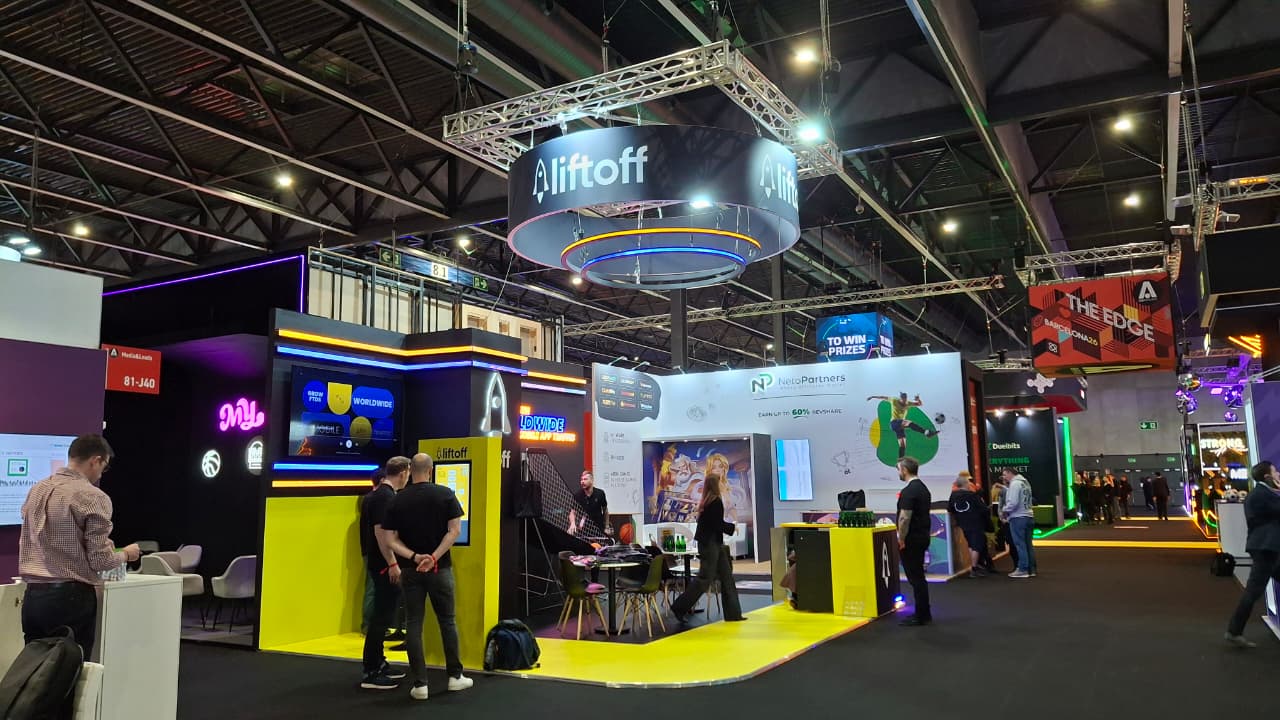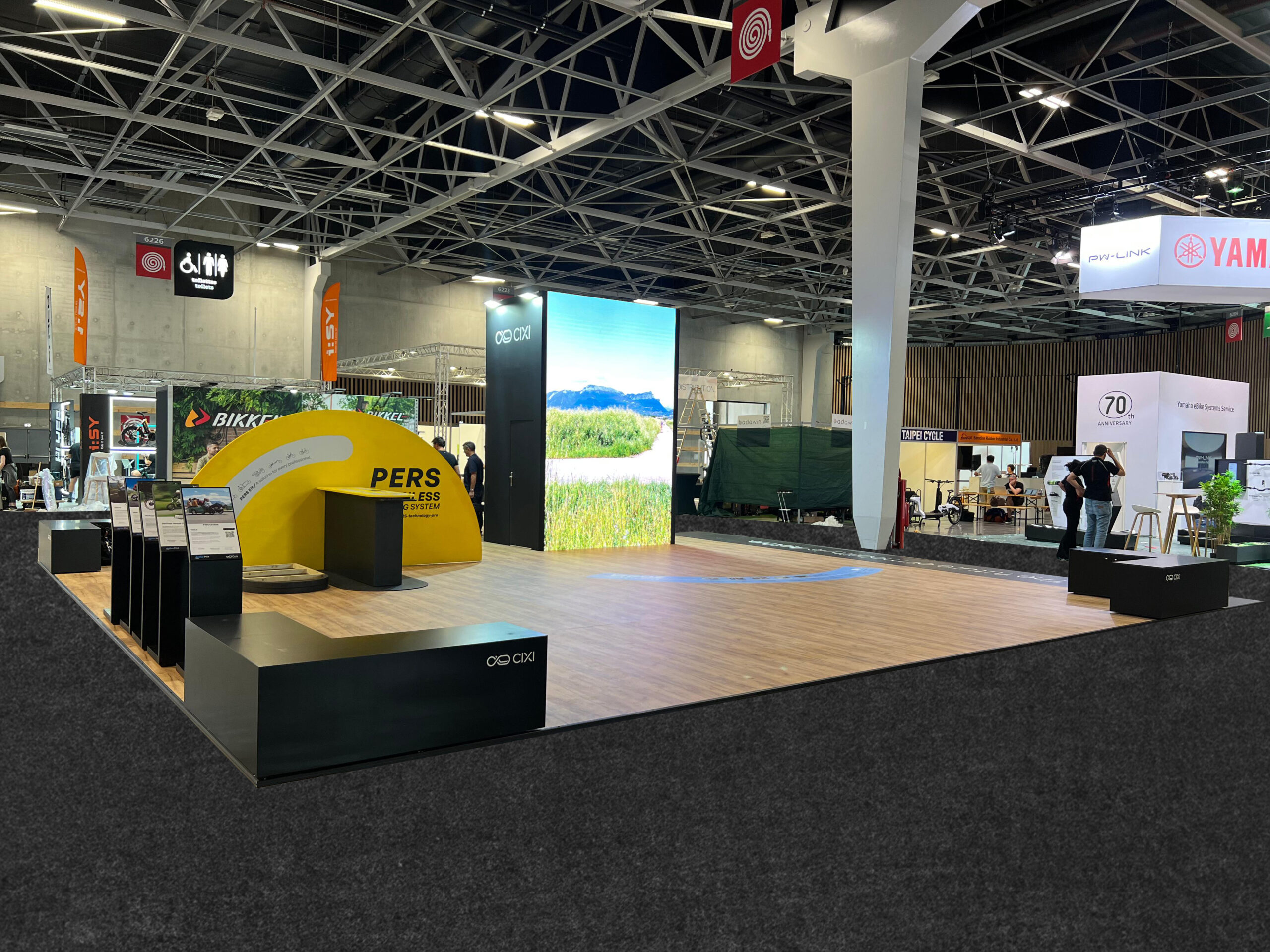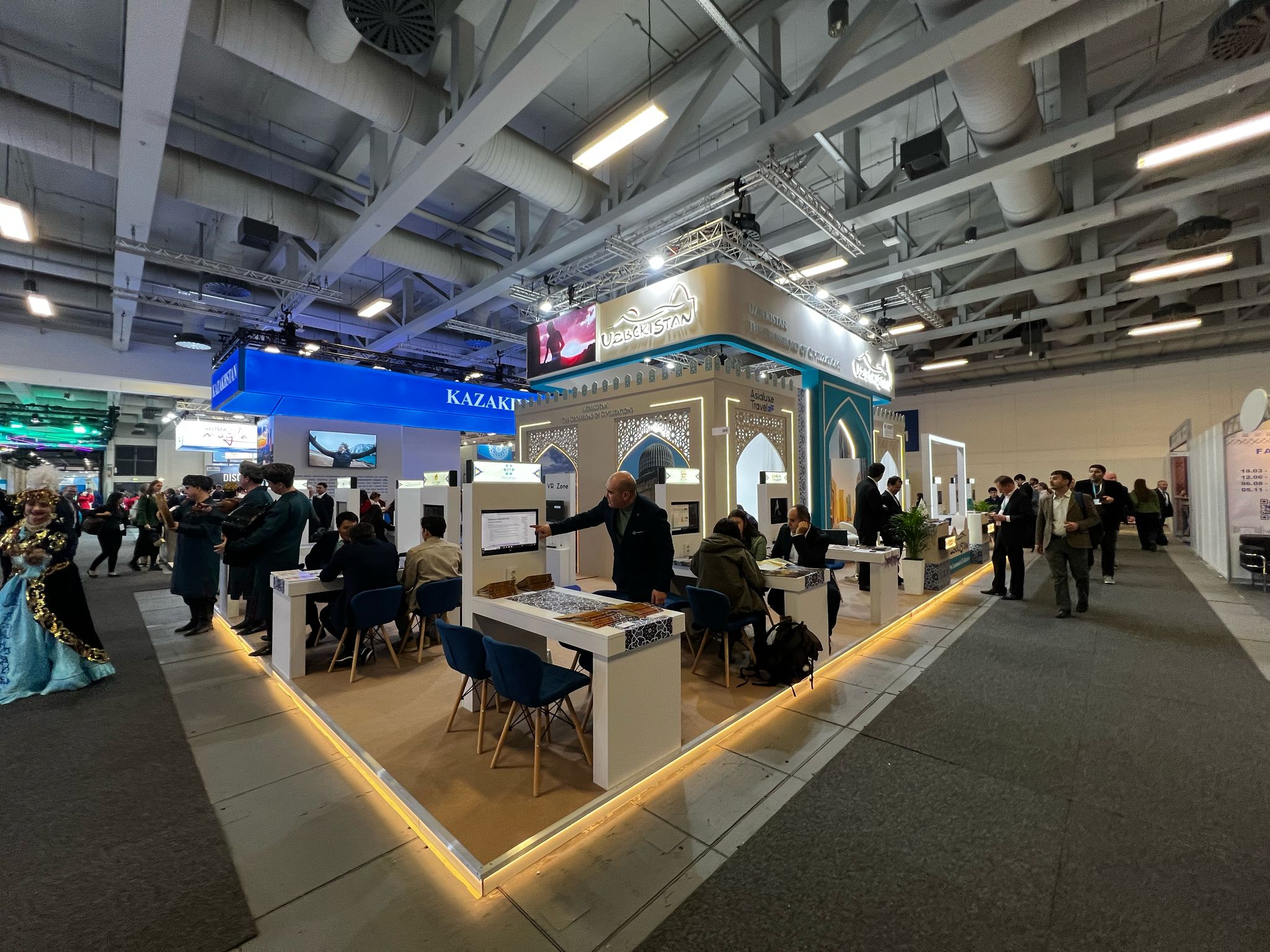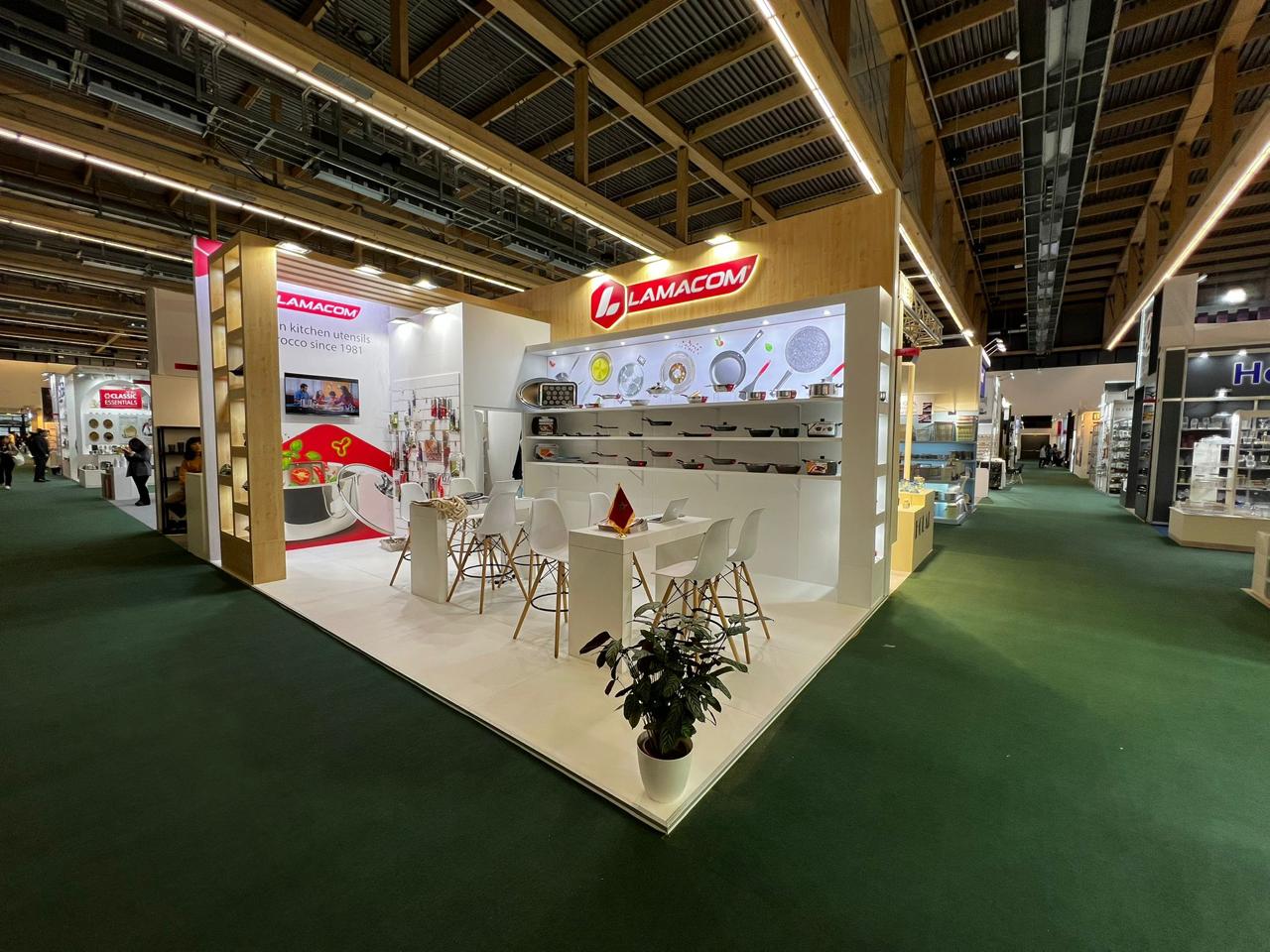
The global exhibition industry is undergoing a fundamental transformation. Known for its “build and burn” nature, where custom built pavilions are erected for the duration of the three-day event, only to be discarded in a landfill right after, the trade show sector is embracing the concept of circular economy. You can say it sustainable exhibition stand. To make their stands more sustainable, brands should go beyond appearances and invest in constructing an exhibit that uses circular materials, modular design and comprehensive reuse planning, cutting costs of future marketing campaigns and lessening the environmental impact of the display industry. Let’s know more about this sustainable booth, and its material, design, and its reusing capabilities.
What is a Sustainable Exhibition Stand?
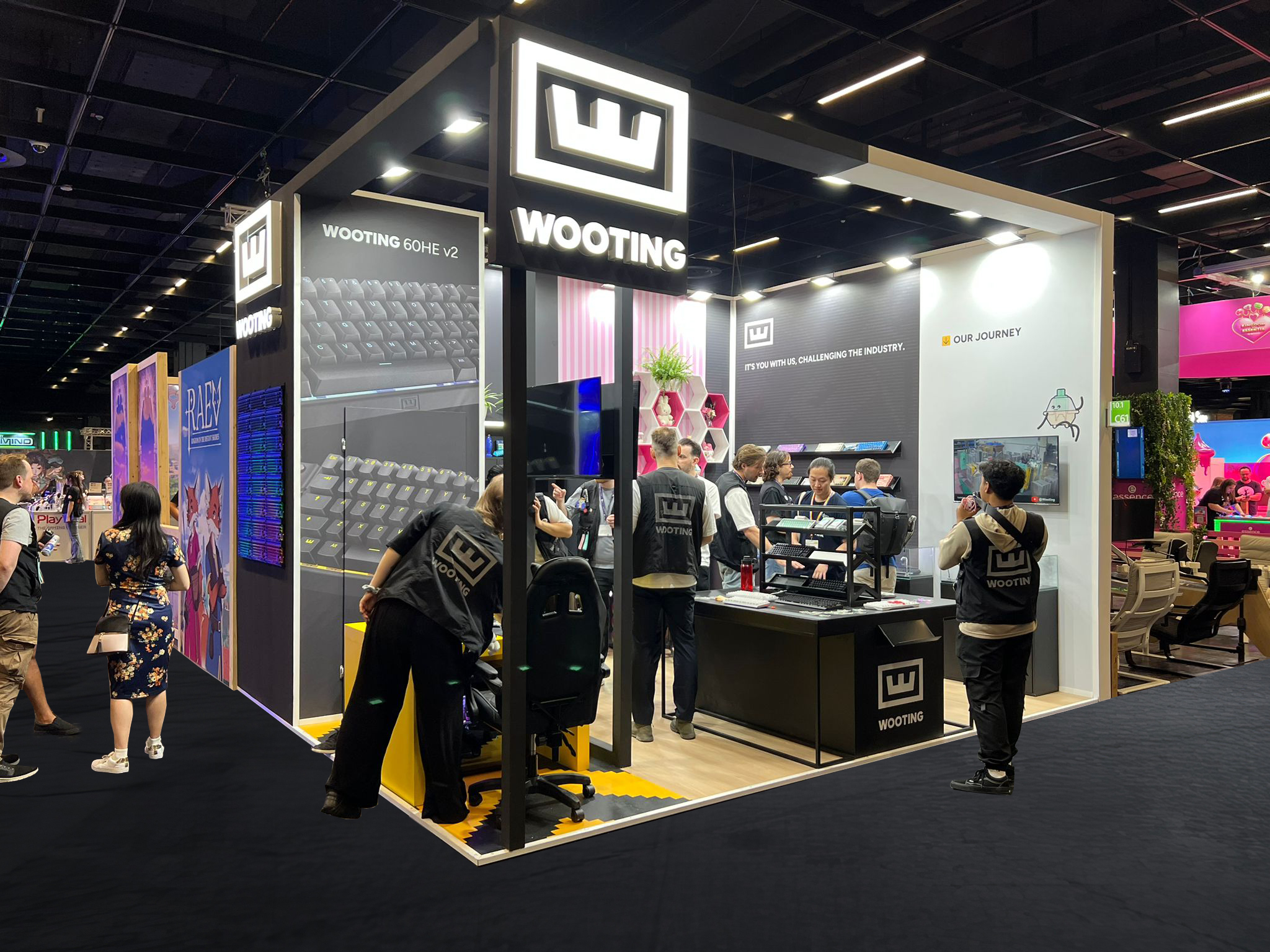
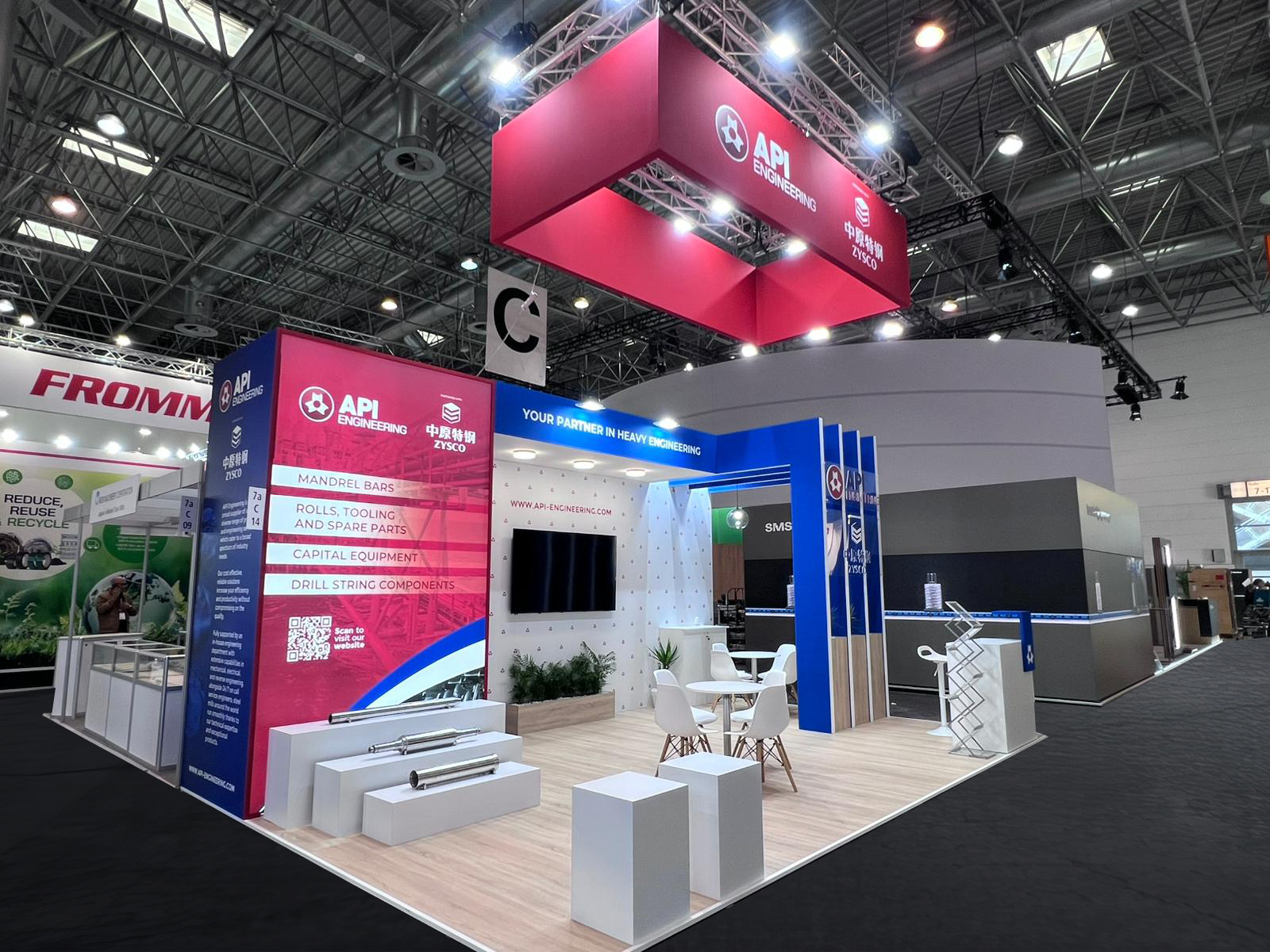
A sustainable exhibition stand is an eco-friendly trade show pavilion designed to minimize environmental impact throughout its lifecycle. Built on the principles of the circular economy, it replaces single-use materials like MDF and PVC with low-carbon, recyclable alternatives such as recycled aluminum, certified timber, and recycled PET fabrics.
These stands utilize a modular “Design for Disassembly” framework, allowing components to be flat-packed, reconfigured for different booth sizes, and reused across multiple events. This drastically reduces transport emissions, cuts material waste, and eliminates the traditional “build and burn” landfill cycle.
Materials – Transitioning to Low-Carbon and Regenerative Inputs
The foundation of a sustainable exhibition stand lies in its material composition. Traditional stands rely heavily on Medium-Density Fibreboard (MDF), single-use plastics, and toxic solvent-based paints. These materials are difficult to recycle and off-gas Volatile Organic Compounds (VOCs) into the exhibition hall.
Sustainable stands replace these with high-performance, low-carbon alternatives –
- Aluminum Frameworks – Aluminum is the backbone of sustainable structural design or sustainable exhibition stand. It is lightweight, which reduces transport emissions, and infinitely recyclable without material degradation. Utilizing frameworks made from 75% or greater recycled aluminum content minimizes initial manufacturing energy.
- Certified and Engineered Timber – When wood is required for warmth or structural integrity, it must carry FSC (Forest Stewardship Council) or PEFC certification to guarantee responsible forest management. Cross-laminated timber (CLT) and rapidly renewable materials like bamboo offer high structural strength with a fraction of the carbon footprint of traditional plywood.
- Regenerative and Recycled Substrates – For wall panels and infills, designers use substrates made from compressed agricultural waste, 100% recycled post-consumer plastics, or biodegradable structural cardboard hives. These panels are completely recyclable or compostable at the end of their lifecycle.
- Eco-Friendly Graphics and Finishes – PVC signage is replaced with tensioned fabric graphics printed on recycled PET (Polyethylene Terephthalate) fabrics using water-based, non-toxic sublimation inks. All paints and adhesives must be water-borne and certified low- or zero-VOC.
Design – Engineering standards promote reuse
While material selection will undoubtedly form the backbone of any effort to make exhibition stands more eco-friendly, experience shows that the best sustainable exhibition stands are built around the end-of-life scenario. Designers should approach each project with the philosophy that nothing will be thrown away. This approach is known as Design for Disassembly, and it uses modular construction principles to engineer stands that can be broken down and reused with minimal labor and waste.
If components are made to be “unclipped” from one another through the consistent use of snap-together mechanisms or threaded couplings rather than soldering or gluing, the modular framework can be rearranged or expanded with minimal effort for future shows. A larger display can consist of several smaller ones joined together, and individual displays can range from a single 60 m2 standalone pavilion at a European trade show to a trio of 20 m2 inline structures. Designers can reduce shipping costs and the carbon footprint of their stands by using lighter materials to construct them and designing them to be dismantled and consolidated into smaller, more volumetrically efficient shipping containers by incorporating nesting capabilities.
Appropriately used, the weight and volume of transport vehicles and the overall distance of shipping can also improve dramatically. The carbon footprint of the structure can be further reduced by applying high-efficiency lighting to it as well, shortening the lifespan of electrical components and reducing energy consumption in operation by up to 80% compared to halogen counterparts.
Re-Use and Circularity – Creating and sustaining a closed-loop system
It is impossible to talk about making sustainable exhibition stands without addressing their end-of-life. At any given time, millions of pounds of exhibition components lie in landfills across the globe. There is nothing “green” or environmentally friendly about burning a multi-tiered custom stand made of reinforced paper fiber after a single use no matter how pretty it was or how much work went into it.
Creating a closed-loop system means taking measures to retain the value and utility of the components for as long as possible after the initial use. Companies should consider building relationships with logistics providers capable of managing the decommissioning of exhibition stands while also storing components in protective crates with climate control to maintain their condition between uses. Proper packaging helps protect components from abrasions, dents and weather while allowing them to be placed back on the shelves for dozens of events in multiple time zones over several years.
At the end of a component’s useful life, a sustainable exhibition designer has two options – to renovate it or to incorporate it as a part of another exhibit. In some cases, fabric graphics can be transformed into branded shopping bags or other reusable items, acoustic panels can be used in the interior of corporate offices, while aluminum components can be sent back to the manufacturer for reshaping into new components.
Conclusion
There is no reason why businesses should not seriously consider making an exhibition stand more sustainable. By using infinitely recyclable aluminum, low-carbon wood products and modular open-frame concepts made from regenerative substrates companies can achieve stunning results while considerably reducing costs and waste.
If you need the best sustainable exhibition stand, you can connect with Expert Exhibits GmbH. We are the best custom and sustainable exhibition stand builder with 15+ years of experience in the industry. Call us now and book your exhibition stand.