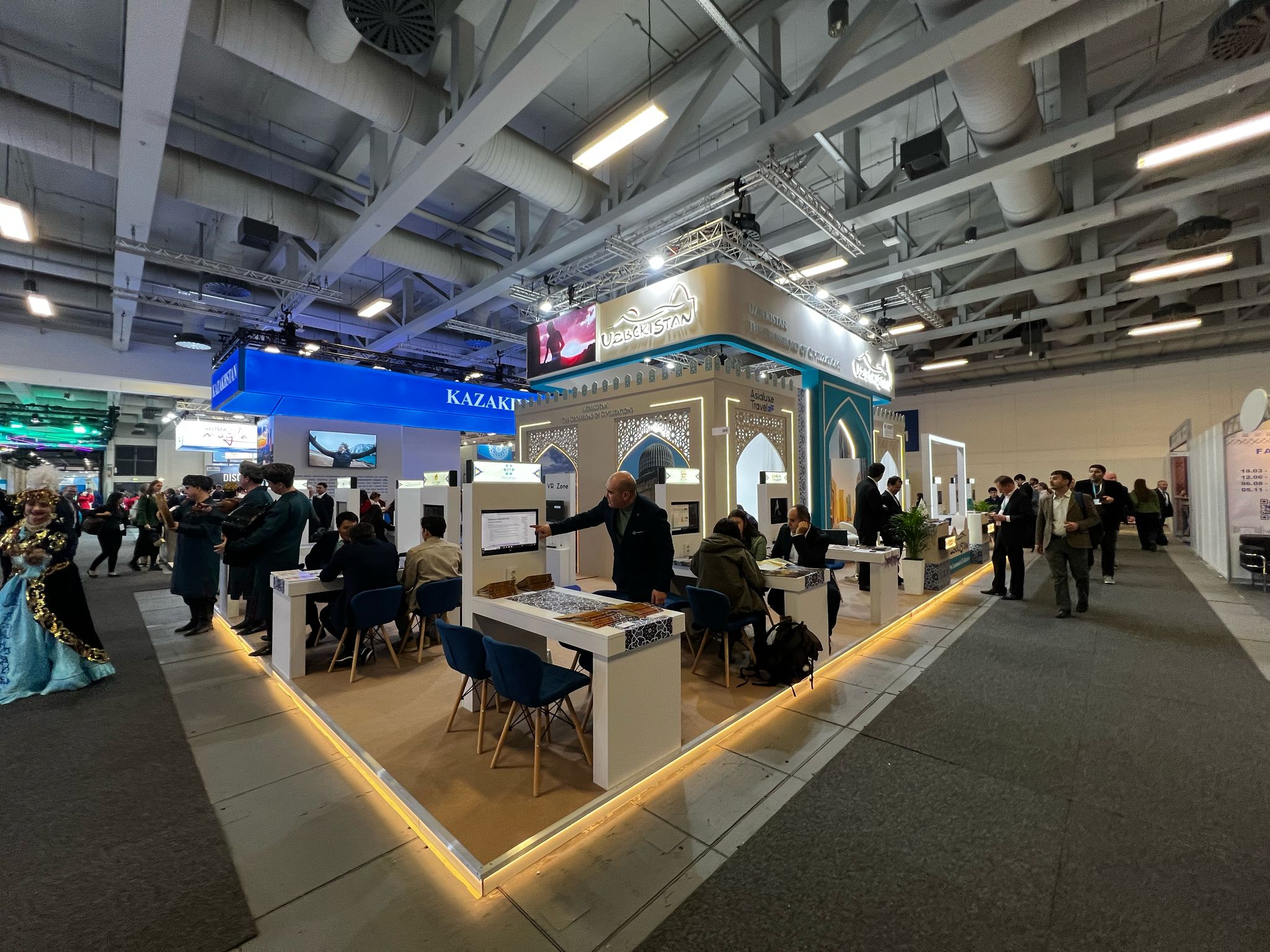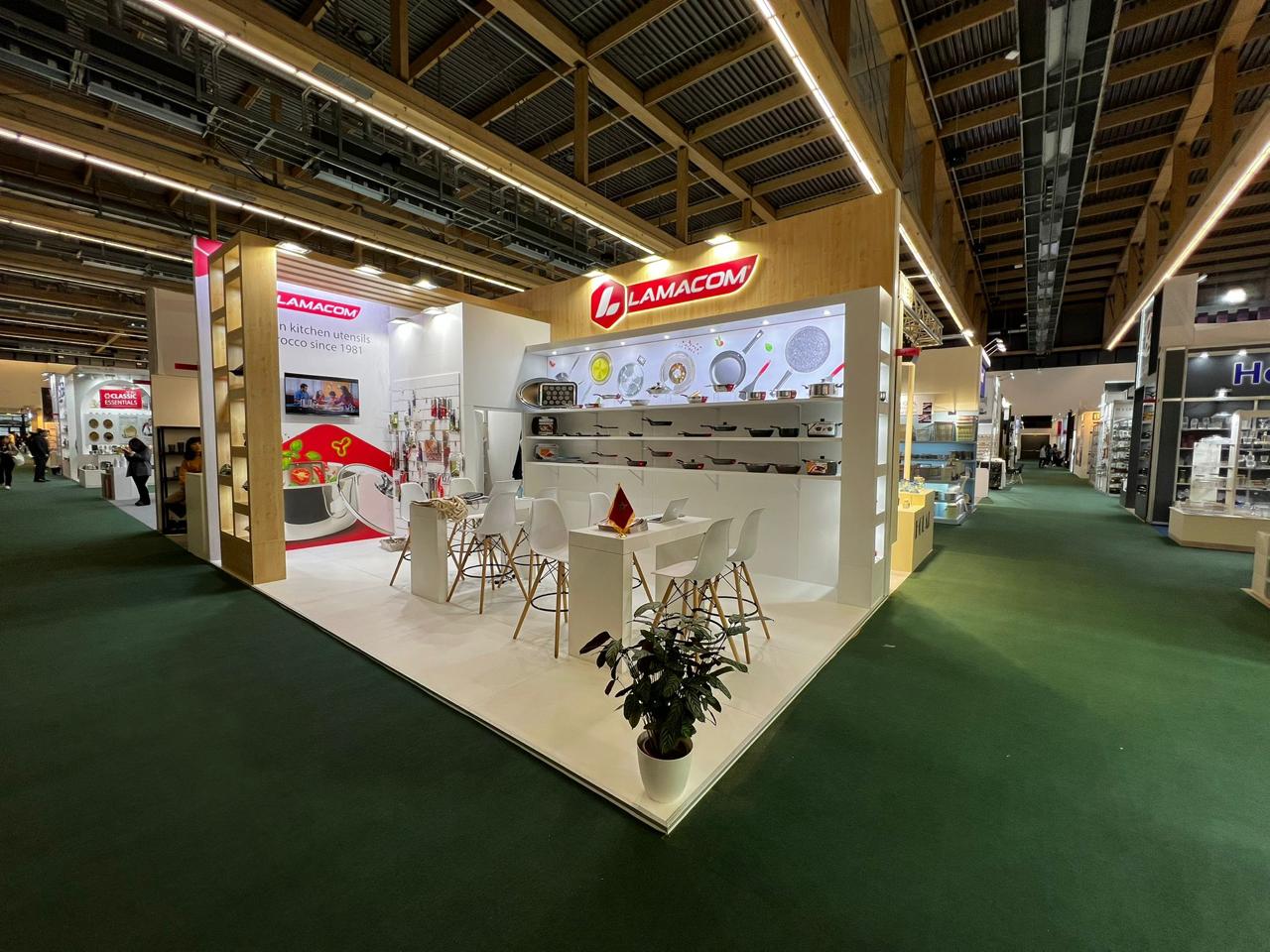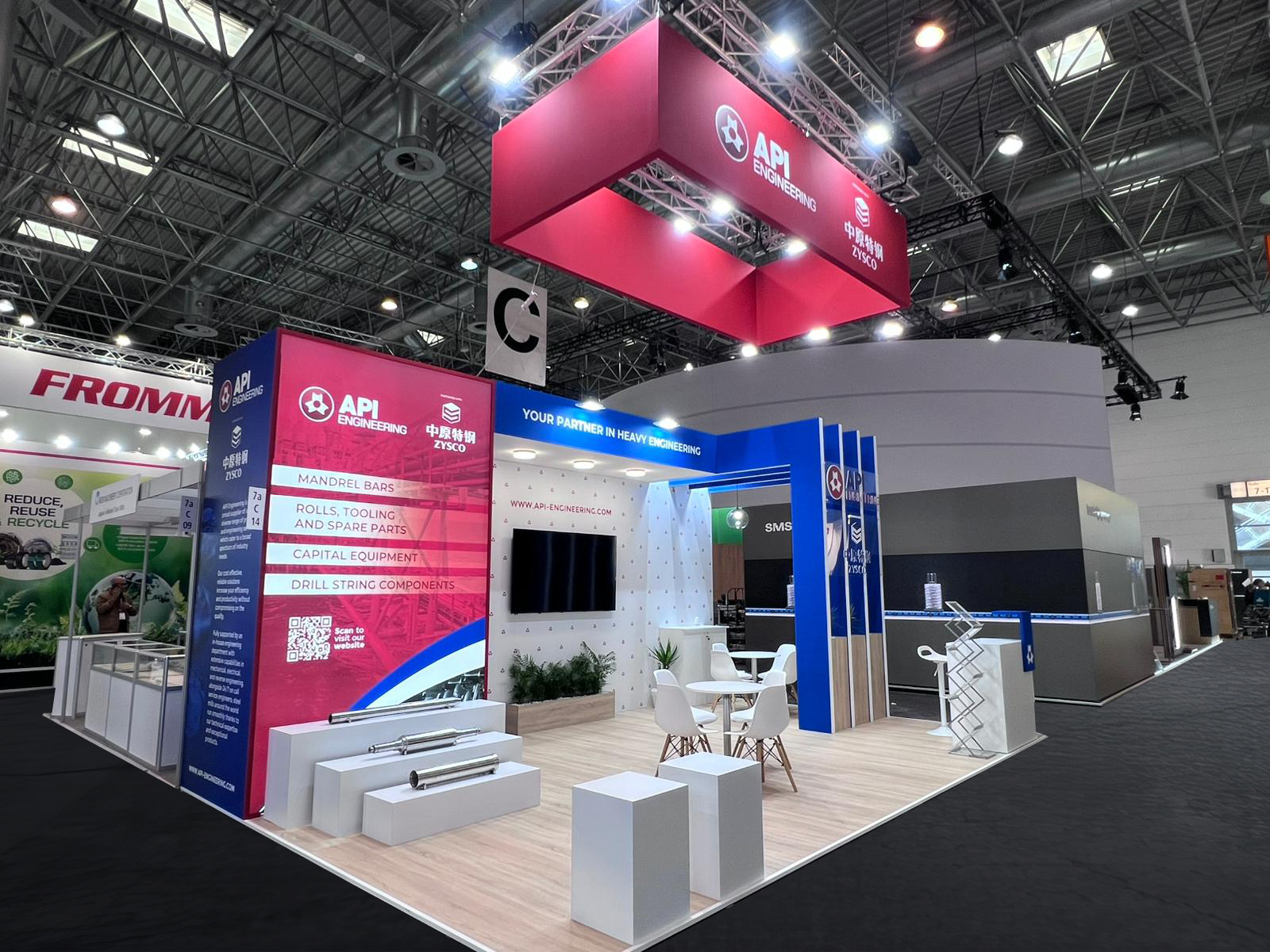
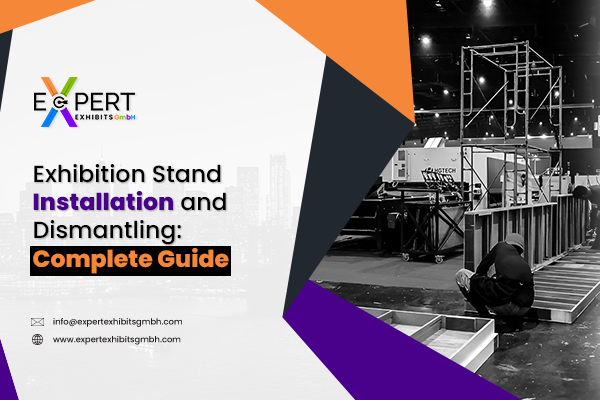
Trade fairs are a tremendous opportunity to promote brand and acquire new clients. However, you should remember that the physical basis of your booth determines the success of your event participation. You should transform flat computer-assisted design (CAD) drawings into actual booth structures within a short period of time. A safe and smooth installation and dismantling of your booth requires adherence to specific technical and organizational standards. It is not possible to improvise on the event ground. This guide will provide all relevant information on exhibition stand installation and dismantling, and you will be able to proceed confidently with all stages of your preparations.
Complete Your Pre-Build Technical Paperwork First
Before delivering your booth’s components to the venue hall, you should complete all paper formalities with the venue organizers. They will require a Risk Assessment and Method Statement, engineering calculations to verify the proof loads, point loading, and fire security of your construction. Do not forget to include all necessary information regarding the protection of your employees within your documentation.
You should also submit a full set of technical drawings and specifications, including the computer-assisted design (CAD) schematics with marks showing the location of your booth on the floor plan and a dimensioned electrical drawing. The latter will instruct the venue electricians where to place power boxes in your booth.
Smart exhibition stand builders and professional booth managers also build a trial version of your stand in their office to examine the exact location of each detail and assemble it a week before the event. They take photos of each component so that they can avoid confusion when building your booth on the event ground.
Master the Exhibition Stand Installation Process
An exhibition stand builder and contractor have to follow a few rules while assembling your booth structure as well to guide you. Venue planners keep time schedules which you should obey to avoid being late. You should assemble your booth from top to bottom.
Hanging Structures and Truss Rigging
Hire certified riggers, or an all-services exhibition stand contractor, to assemble and hoist all overhead banner supports, lighting, and trusses. Work with the ceiling structures first, and then move to the ground level structures to avoid any accidents with forklifts or other machinery. Certified riggers will also balance and secure all hanging objects. It is forbidden to operate any lifting equipment during the exhibition stand installation stage due to the danger of overturning.
Utilities and Floor Preparation
You should clear the site and mark the location of all utilities – electricity, internet, and water and sewage pipes. Place heavy-duty tracking or rubber bridges over all of them, and then assemble your subfloor – a wooden platform raised above the ground level. You should cover it with a thick plastic film to protect it from scratches and paint spots.
Framework and Wall Construction
You should proceed to constructing the framework and walls of your booth. Secure all wooden wall panels with heavy duty joints and bands. Those who select custom timber constructions should pay special attention to the reinforcement of door and window openings. The aluminum framework allows you to assemble the walls top-bottom with bolts or tension locks. Ensure that the hinges and doors of your cabinet-like structures (e.g., storage rooms) are strong enough to avoid warping.
AV Technology and Final Touches
Audiovisual (AV) professionals will mount the screens and touchscreens on your marked spots on the wall. They will fix light spotlights on the upper section of your booth and connect them to a transformer by following the schematics. You should test all wiring and ensure that no electrical circuit will be disrupted. You should move the furniture into place and finish up the installation by removing the plastic film from the floor.
Streamline Your Exhibition Stand Dismantling Work Flow
Exhibition stand dismantling is an equally important stage of your event participation. You should dismantle your booth in an organized manner to protect your assets from damage, theft, or misplacement. The procedure is relatively quick, but you should follow all instructions and adhere to the rules of safety regulations.
Immediate Electronics Reclamation
You should deliver all valuable equipment and tools to your vehicle during the first hour of the event’s closure. Pack and crate all electronics, computers, and custom hardware. Wrap all valuable objects in foam inserts or custom-made materials and secure them in lockable containers. Separate these containers from the rest of your goods to avoid unnecessary commingling with items belonging to other exhibitors. You should avoid delays and wait for your turn to dismantle your booth structure.
Sorting Fixtures and Materials
You should spend the next three hours removing your furniture and fixtures. You must develop an organizing principle which will deal with all your loose assets. Divide these assets into three groups and pack them in crates which you have at your storage facilities. Recycle aluminum, wood and graphics. Take all of your cardboard and other trash to a nearby trash container. Remove all wooden and steel panels from your booth walls. You should work from top to bottom in order to avoid creating any kind of imbalance. Finally, you should roll all of your graphic fabric in order to prevent wrinkles and creases.
Structural Teardown and Handover
You should also make sure that there are no personal belongings left unattended at your booth. Walk around your booth one last time to ensure that nothing has been forgotten there. Dismantle your booth’s framework structure and remember to roll up all plastic films and remove all tapes. You should also double-check the condition of the ground floor and hand over all keys to the venue floor manager.
Proven Best Practices for Smooth On-Site Operations
Clear communication with your staff and compliance with the safety regulations are essential during the event. A certified supervisor should be on site to monitor your work and ensure that your employees adhere to the venue’s safety rules. Your staff is not directly hired at the venue; therefore, only certified exhibition stand designers, builders, and contractors should operate the machines and equipment. Moreover, experienced workers will be responsible for identifying and evaluating potential risks.
Expenditure minimization is also a priority as far as trade fairs are concerned. You should treat all components of your booth structure and design with a high degree of caution. You should employ proper packing materials to avoid damage to your goods. It is advisable to mark all boxes and packages to facilitate your booth installation and exhibition stand dismantling.
A proper attitude towards your team will also help you stick to the schedule and keep within the budget. Finally, you should apply all the tips mentioned above to provide your customers with high-quality services and impress your partners with your management and planning skills.
Partner with Expert Exhibits GmbH for Your Next Event
You should choose Expert Exhibits GmbH as your partner for all your exhibition stand building needs. We offer comprehensive services and provide full-scale support to your business from technical paper formalities to final dismantling and removal of your booth structures. Our expert project managers guarantee the quality of your event and the compliance of your booth structure with all safety regulations. Contact Expert Exhibits GmbH to build your next spectacular booth!