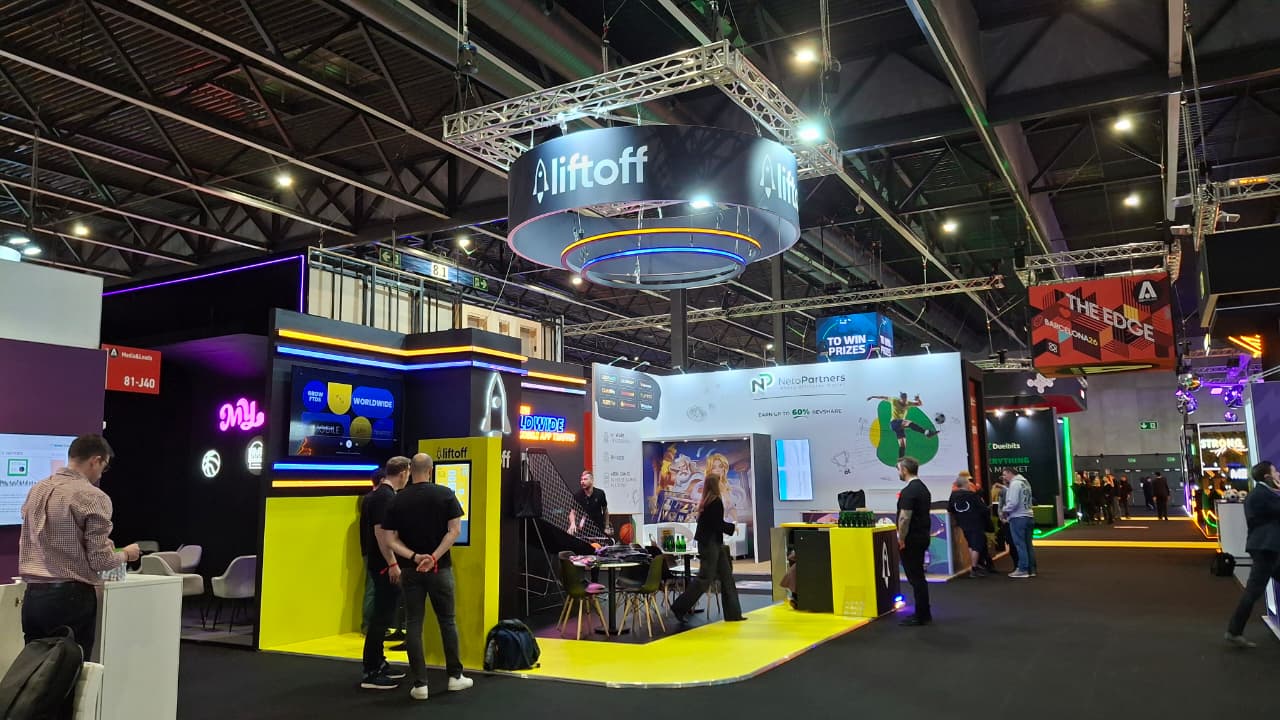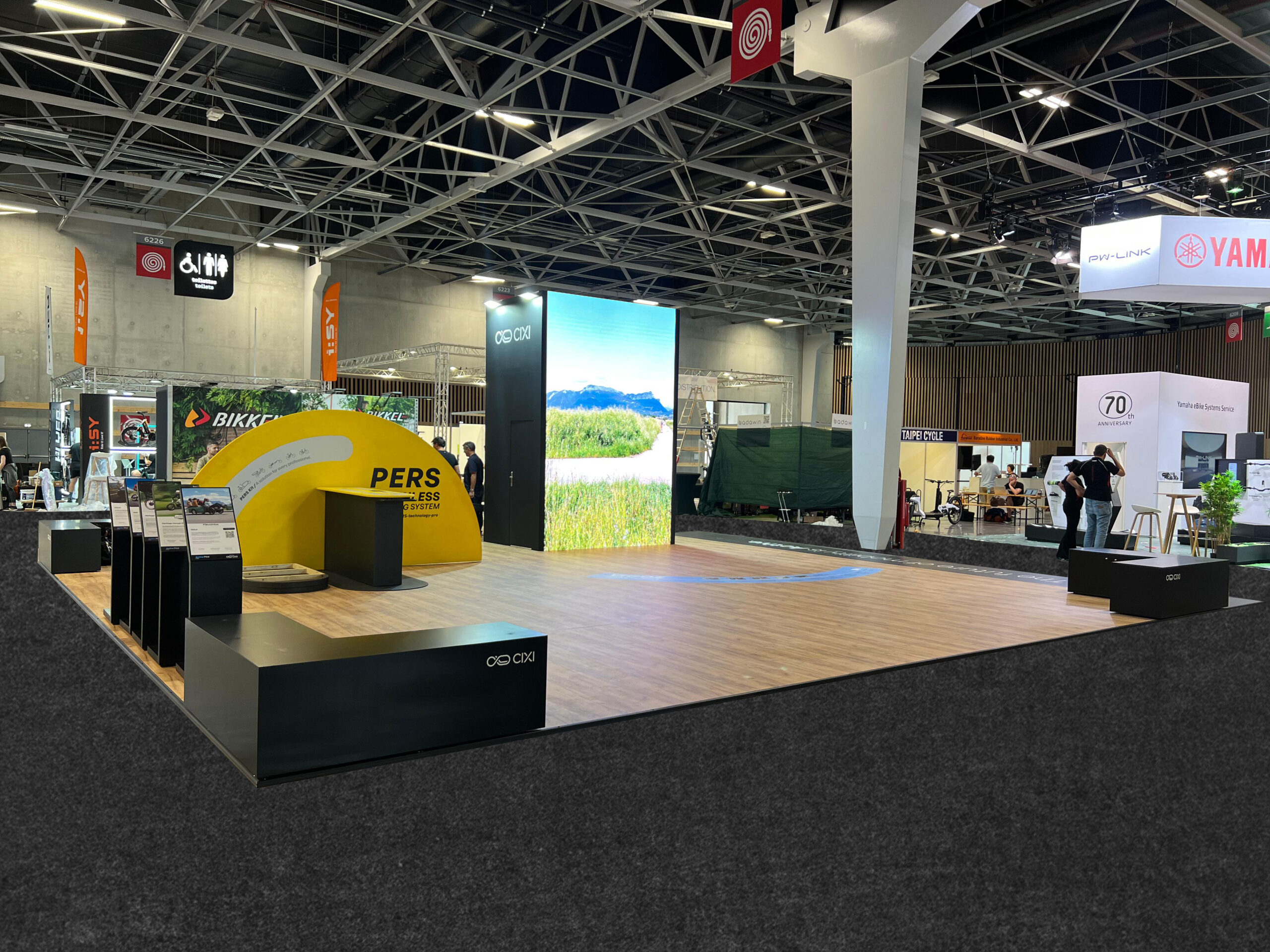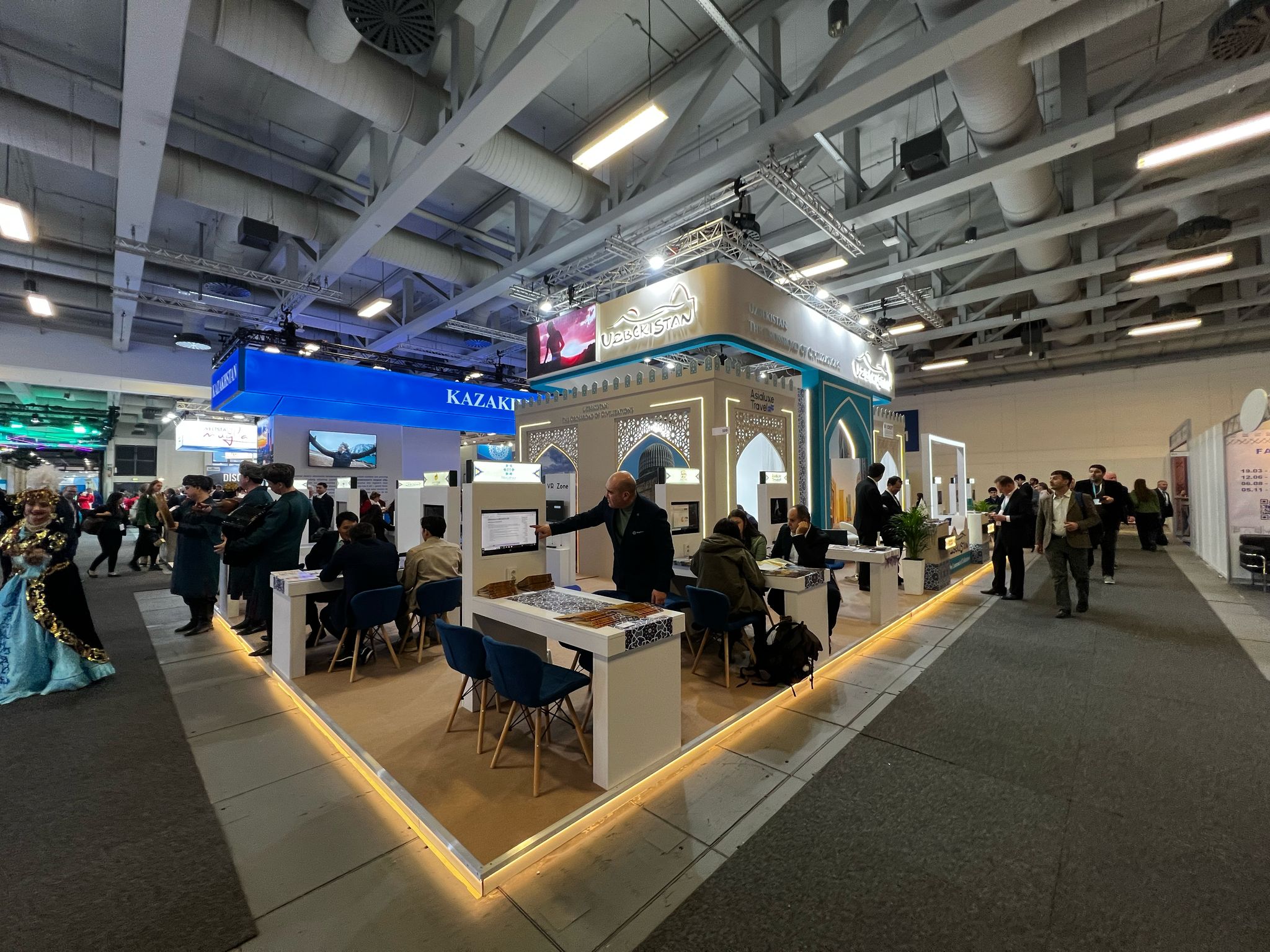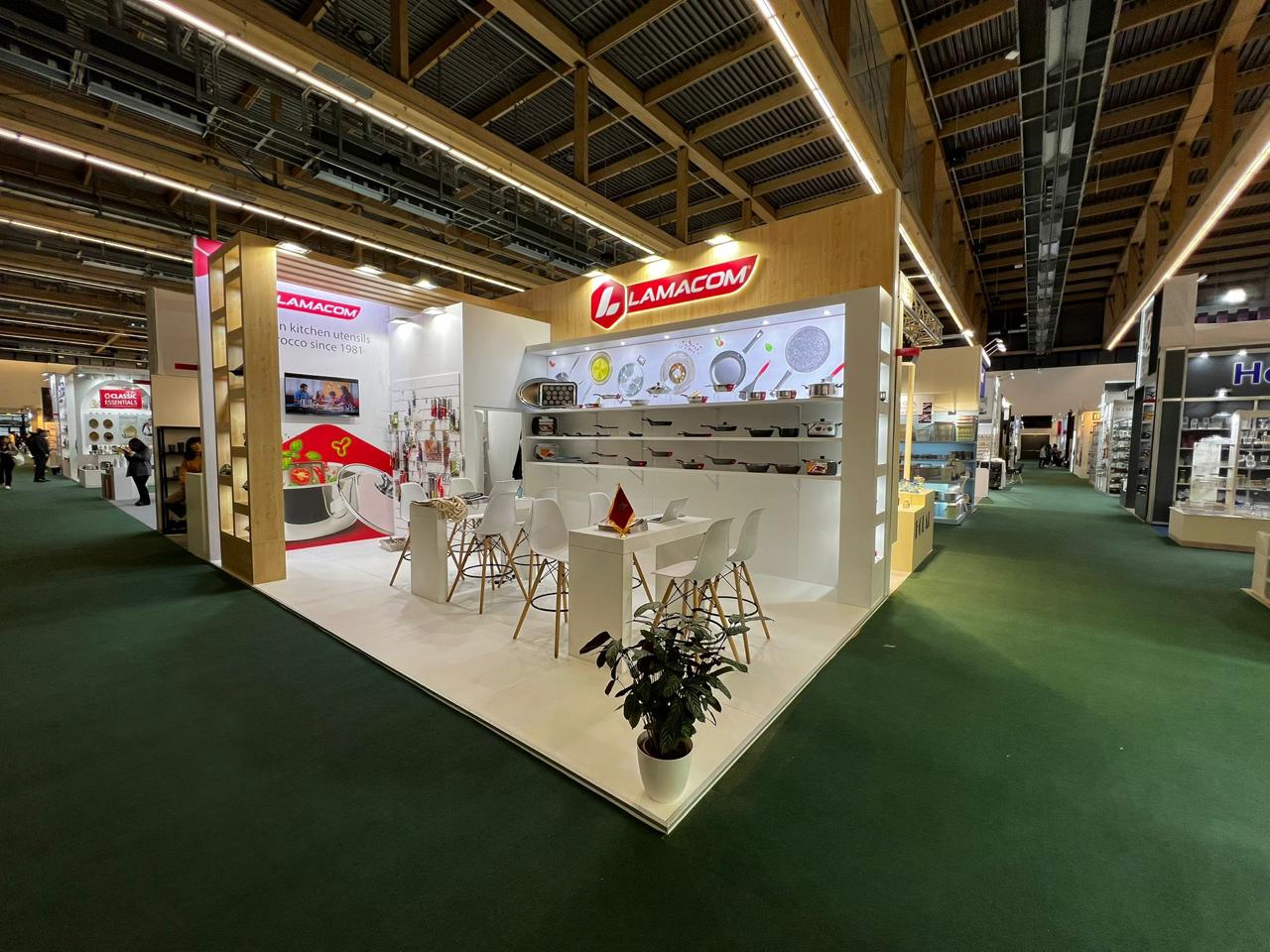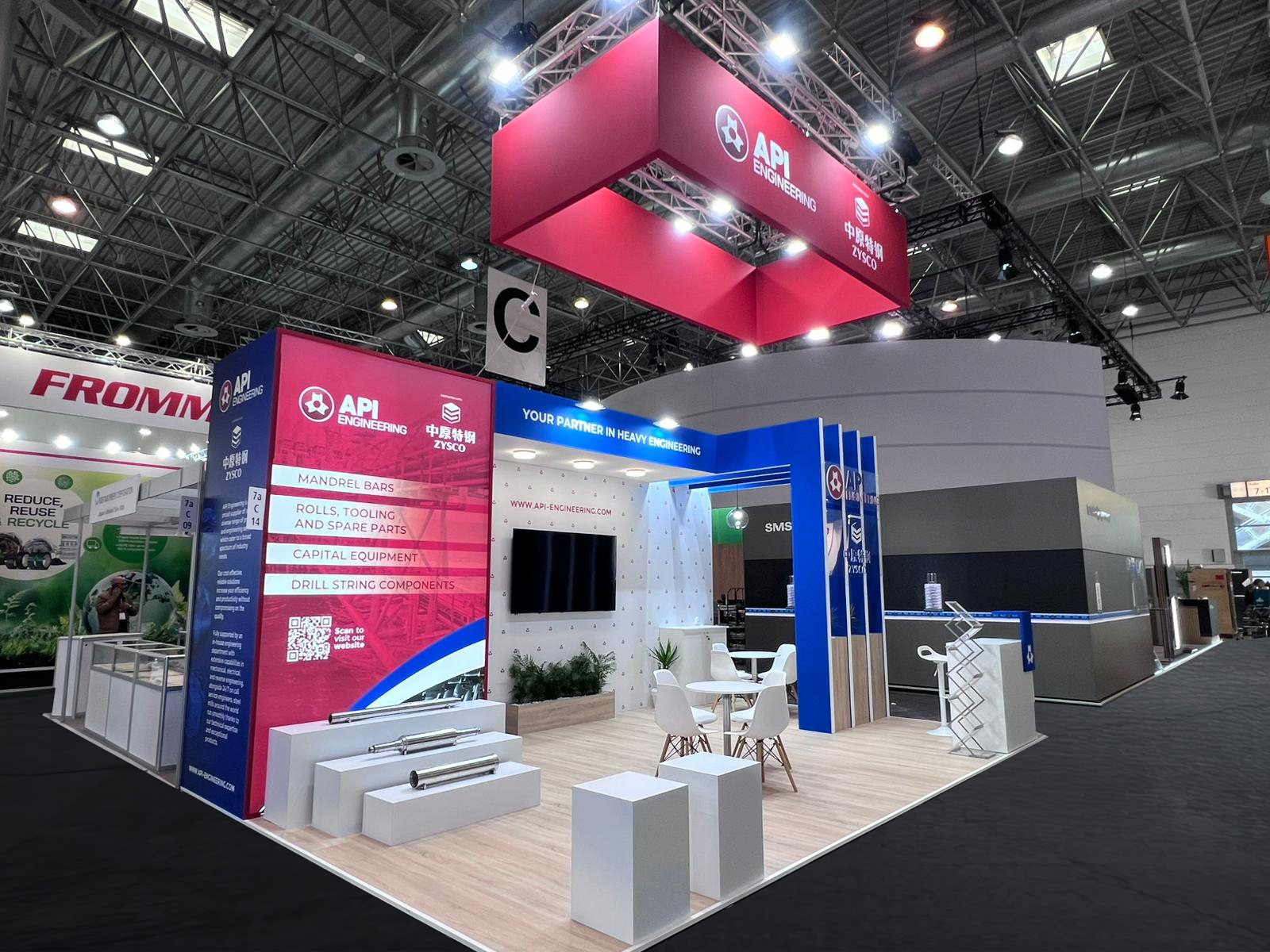
European trade shows are undergoing something of a revolution. Exhibition booths, traditionally a showcase of product displays, printed graphics and branded structures, are transforming into an immersive experience for the visitor to attract, engage and convert.
Across the key European exhibition markets there is a growing emphasis on sustainability, modular approaches, immersive technologies, accessibility and an enhanced experience for the visitor. Industry initiatives are also driving this development. Better Stands, an industry initiative which runs across 400+ events in 37+ countries, now has a tool to evaluate stand reusability.
Meanwhile the Deutsche Gesellschaft für Nachhaltiges Bauen (DGNB) has launched a 2026 framework for sustainable trade fair stands which runs through the whole lifecycle of a stand, considering materials, reusability, logistics, accessibility, visitor orientation and interaction. For exhibitors planning European trade shows, this represents a new design thinking. Let’s know more about these trends.
1. Sustainable Materials and Circular Experience Architecture
A new European thinking about sustainability in the field of events no longer focuses on the use of a limited range of eco-friendly materials. The latest approach covers the stand’s lifecycle from creation to dismantling, transportation, and potential future use.
Recycled paper, sustainable wood, aluminium profiles, and fabrics are being actively used to build exhibition stands. However, special attention is paid to whether the material and components can be reused after the end of the exhibition to extend their useful life.
Modular and Reusable Design is one of the most promising trends in the modern exhibition industry. It allows you to assemble stands for specific exhibitions, disassemble them, and use their components again in the future for other events.
DGNB’s framework for 2026 emphasizes circular concepts, non-destructive disassembly, sustainable sourcing and supply chains, material savings, waste avoidance and resource-efficient technical equipment. Materials and resources count for 45% of the score, while mobility and logistics form another 35%.
This trend is also gaining ground at European venues. Royal Jaarbeurs in the Netherlands has started using circular modular stand construction as its standard approach for its own trade fairs from January 2026. The Better Stands framework also promotes the use of reusable stand components among exhibitors and contractors, moving away from single-use structures.
For international exhibitors, this can lead to an exhibition architecture that evolves from show to show in different European venues rather than just being discarded after a single event.
2. Immersive Booth Experiences and AI-Powered Engagement
Technology is changing visitor expectations at exhibitions. Static posters and standard product displays are increasingly being complemented by Immersive Booth Experiences that encourage participation rather than passive observation.
Interactive Displays can enable visitors to configure products, explore technical information, compare solutions or access digital demonstrations. LED and Digital Walls can offer scalable visual storytelling, product presentations, demonstrations and branded content without requiring extensive physical displays.
For complex products, immersive technologies can be particularly valuable. AR and VR can showcase machinery, industrial processes, architectural environments or technical systems without replicating everything inside the booth.
AI is taking it up a notch. Industry conversations in 2026 are starting to investigate how AI can help re-imaging exhibition design, delivery and measurement. UFI’s 2026 European Conference specifically focussed on the potential role of AI in the future exhibition model, and the need to think about more meaningful and measurable visit experiences.
This opens up possibilities for AI and Interactive Experiences around product discovery, multilingual support, personalisation, lead qualification and guided information journeys.
But technology serves a purpose, and a giant screen is less useful than an interactive product configurator that helps a visitor see a solution. Both generate engagement, but that second option delivers much more directly to the business objective.
3. Biophilic Design, Hospitality and Visitor Well-being
European exhibition halls can be intimidating places filled with crowds, conflicting visuals, noise and bustle. As such, exhibition design is now looking to features that enable the visitor to feel comfortable enough to linger, explore and engage in meaningful discussion.
Biophilic design makes use of greenery, natural materials and timber to create a more homely ambience. But the overall trend goes beyond flora.
Comfort seating, charging point, refreshments, less intense areas and thoughtfully placed hospitality venues can provide the visitor with the opportunity to take a break between meetings and demonstrations.
This ties in with current sustainable stand-design criteria. DGNB’s approach includes dwell time, interaction and orientation, with the recognition that a sustainable exhibition stand must also be of value and relevance to the visitor. As such, hospitality should be thought through as part of the architectural strategy, rather than being an afterthought. Well-placed Meeting Areas can offer a transition between initial engagement and more in-depth commercial talks.
4. Minimalist Booth Design and Fluid Open Layouts
Visual competition is fierce at major trade fairs in Europe and beyond. Hundreds, sometimes thousands of exhibitors are fighting for the same square meters inside the exhibition hall. This is why the concept of Minimalist Booth Design is so appealing. The goal is not to take away as much as possible, but to highlight the essential messages, products and behaviors at the exhibition stand.
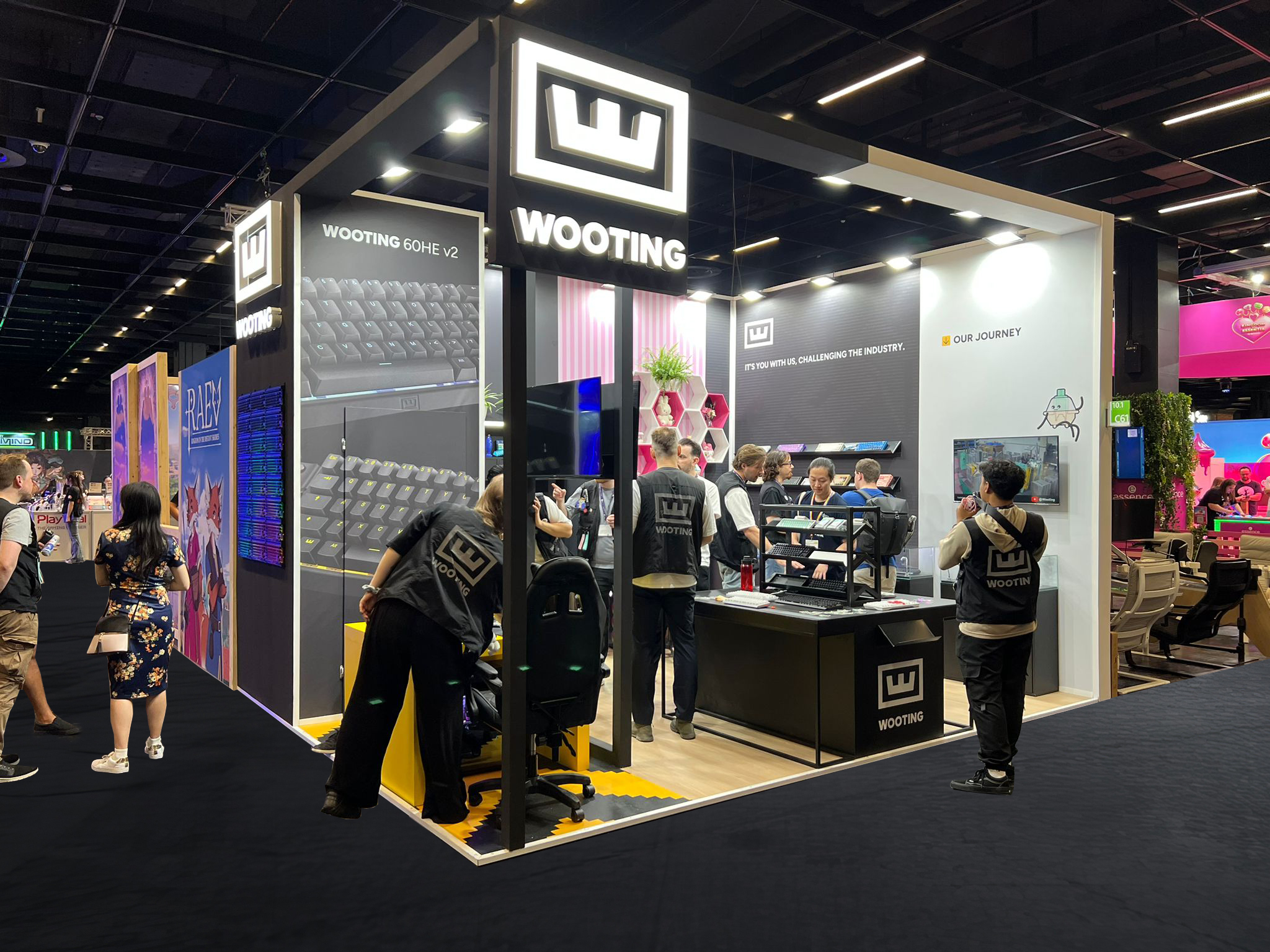
Open sightlines, rounded shapes, overhead signs and free-flowing routes can make a booth more inviting and increase visibility. Rather than building along all four sides, the exhibit designer can use architecture to lead prospects through the booth to experience a particular product or service. Big visual impact can be achieved with large displays announcing the brand’s name in the exhibition hall. Simultaneously, the minimalist concept is about eliminating any obstacles to communication. Directional signs and signs pointing out key information allow the exhibitor to convey their exhibition strategy more efficiently – without the prospect having to read lengthy texts on the stand.
DGNB’s current design principles also include the concepts of “reduction” and “orientation”, calling for a clear presentation of information with simple wording and intuitive access to relevant details.
A minimalist booth therefore creates a more uncluttered exhibition landscape in which architecture serves to highlight the exhibitor’s communication strategy.
5. Multi-Sensory Experiences and Smart Lighting
Although visual design remains important, many exhibitors are looking into multisensory experiences. Lighting, sounds and the tactile impression as well as interactions offer opportunities to create unique environments. Smart lighting can accentuate products, indicate routes, set apart areas for hospitality and shape distinct ambience for presentations or product demonstrations.
Modern LED technologies can also be integrated into building components rather than only used for overhead lighting. This allows environments that are shaped by changing illuminations in line with presentations, product shows or interactions by the visitors.
At the same time, sustainability remains important. The latest European exhibition guidance increasingly promotes the use of energy-efficient technical equipment and resource-conscious operation. DGNB explicitly includes energy-efficient technical equipment in its sustainable stand criteria. Therefore, the trend is not to simply adopt more lighting and technology, but to apply purposeful and efficient technology.
6. Product Demonstration Zones and Visitor Journey Design
One of the latest trends in the field of exhibition architecture is the transition from designing a booth to designing a visitor journey.
Modern stands are designed in such a way that they consist of several zones, each of which has its own purpose. While attracting attention from the distance, the attraction zone allows the visitor to get up close with the brand. The Product Demonstration Zone immerses the visitor in the experience of using the exhibited products.
Meanwhile, the Interactive area is designed to convey the necessary technology know-how, and the Meeting Areas are designed for non-public sales talks. The Hospitality spaces are designed to help in business networking, and digital kiosks are ready to collect data for further use and even help in following up after the exhibition. All this is designed so that the stand does not turn into a single trading structure.
At the same time, UFI’s 2026 European Conference has devoted considerable attention to the experience of visitors at the exhibition, as well as to the ways in which organisers and exhibitors can shape their on-site journeys, offering a more extensive and meaningful concept than simply counting heads.
The practical objective is to move visitors naturally through different stages:
Attract → Explore → Interact → Discuss → Connect
This makes exhibition architecture directly relevant to marketing and sales objectives.
7. Lead Capture Technology and Data-Driven Exhibition Design
A visitor interaction is not always over the moment he or she leaves the stand. Thanks to digital tools, exhibitors now increasingly manage to capture physical interactions as starting points for their post-show marketing and sales efforts.
Lead Capture Technology can capture the information of a visitor using digital forms, integrated badge recognition, QR codes, interactive screens or even other approved systems during the event. Used in a privacy compliant way, this data can subsequently be used by a company’s sales department to determine which topics and products have been of particular interest to a lead.
A further development of this is then to connect this information with the visitor’s experience at the exhibitor’s stand. Which product demonstration did the visitor engage with most? What content had the visitor read or watched before they came to speak with an exhibitor? This kind of information can be valuable to the exhibitor in subsequently fine-tuning its stand presentation and its sales approach.
Meanwhile, the industry is also addressing the need to make exhibitions more measurable and provide a solid basis for evaluating marketing budgets. The UFI’s 2026 European Conference has identified a need to create more compelling and measurable visitor experiences, reflecting this growing importance.
8. Accessible and Inclusive Exhibition Environments
Accessibility in the form of barrier-free design, space for free movement, and inclusive orientation is becoming an increasingly important aspect of professional European stand design. An exhibition stand must not only look impressive but be easy to enter, navigate, comprehend, and understand. Barrier-free entrance, free-flowing circulation, appropriate interaction height, comprehensible signage, and meeting spaces of the proper size can all help to make the environment more accessible.
The 2026 criteria of DGNB particularly focus on barrier-free design, space for movement, and inclusive orientation. Inclusive design principles can also be beneficial for the overall impression because the use of accessible elements often improves the experience for the average visitor. Instead of being tacked on at the end, these considerations can be built right into the design and planning process, resulting in a more harmonious environment and better functionality that fits within the desired aesthetic.
9. Hybrid, Social-Ready and Content-Centric Stands
An exhibition stand is becoming a content platform. Designed interview areas, places for product presentations, expert talks, live-streaming and social media recording will enable exhibitors to make the most of their appearance at the show and extend their reach far beyond the trade fair. A branded backdrop, optimal lighting, good acoustics and a well-planned presentation area can create a small content studio on the exhibition stand.
Such a concept makes it possible to create several content formats at once and thus get even more out of the exhibition participation. Interviews with experts, product videos, customer interviews, product announcements and social media posts are a great way for international companies to connect their participation at a trade fair with their online marketing activities.
10. Sustainable Logistics and Localized Stand Construction
The sustainability conversation increasingly extends behind the scenes.
The environmental impact of a stand is not just in the materials, but also in the transport, packaging, installation and dismantling. DGNB’s 2026 framework specifically takes this into account, looking at transport efficiency, packaging, regional service provision and use of existing venue infrastructure. This encourages exhibitors to consider lightweight, modular systems, reusable transport packaging, local suppliers and regional installation teams.
A guide to sustainability at exhibitions: A 2026 guide for exhibitors at SPS includes recommendations to incorporate modular stand systems, use of reusable and recyclable materials, sustainable packaging, and accessibility in early stand planning.
For brands participating in multiple European exhibitions, localised production and reusable components can make it easier to adapt one design system to different venues, reducing the need for unnecessary transportation and construction.
Conclusion
It seems that the stand at the exhibition in 2026–27 will be presented as something much more than a temporary branded structure. Trade shows in Europe are shifting towards more sustainable, technological, hospitable, accessible and engaging environments.
For the 2026–27 era of the European exhibitions, effective stand design will be about creating adaptable, responsible and engaging brand environments, attracting attention from the aisle, generating meaningful interactions on the stand and delivering value long after the exhibition has closed.
Choosing the Right Exhibition Stand Builder in Europe
European trade shows are a unique concept that requires a stand builder to understand the design, construction, venue rules, logistics, technology, and visitor behaviour. Expert Exhibits GmbH offers trade show exhibitor services to build a custom exhibition stand for European fairs and trade shows. With practical design and modular engineering, immersive technologies, meeting areas, product presentation zones, and brand-specific graphics, we work on the concept and 3D design, fabrication, installation, dismantling, and support for the total booth experience. The team in Expert Exhibits GmbH tackles every project as an integrated exhibition stand builder in the European exhibition industry, ensuring a cohesive concept and execution across construction, technology, and support elements. For a reliable exhibition stand builder in Europe, our company is the right exhibition stand contractor to consider for your trade show display building needs.