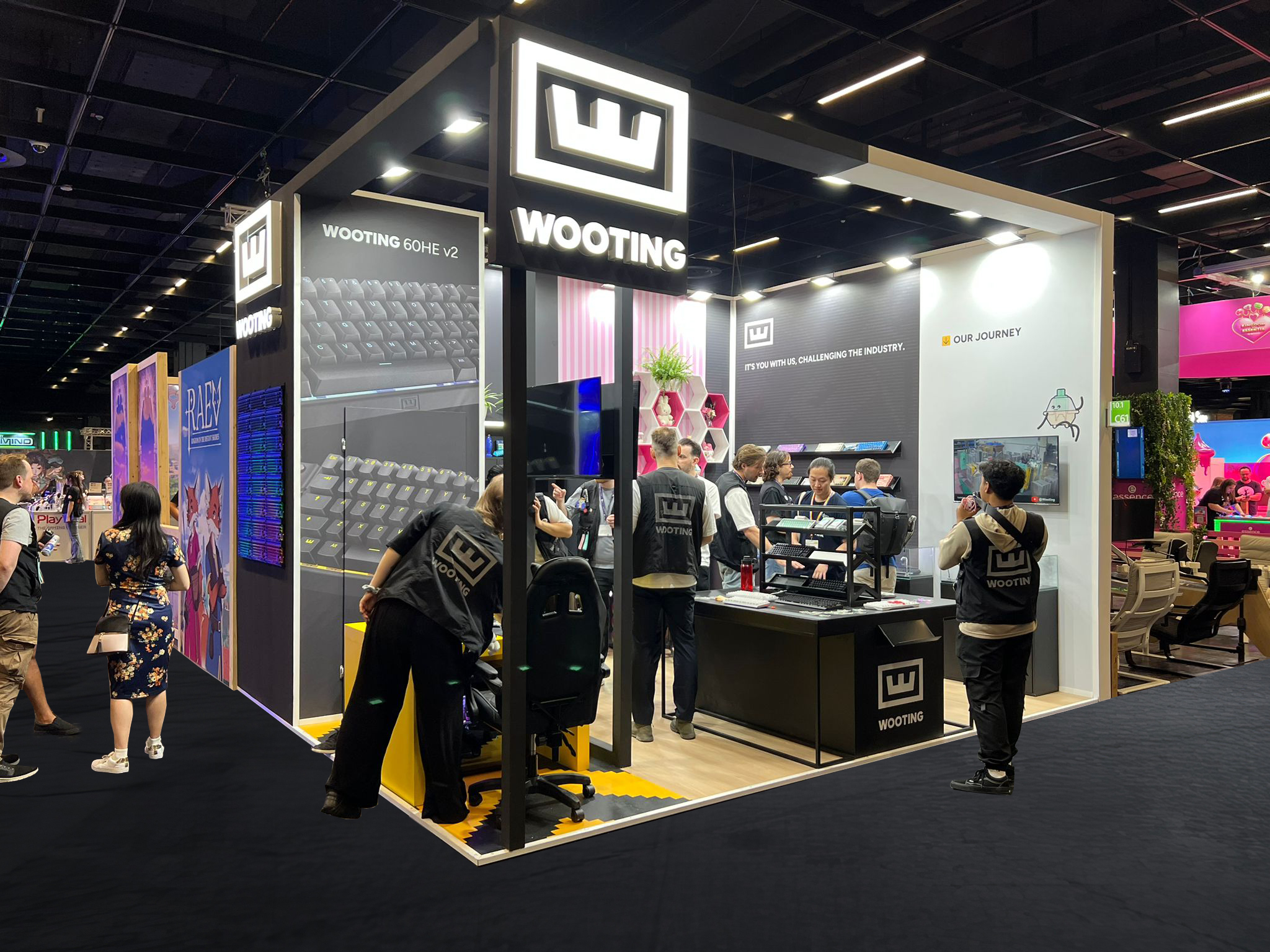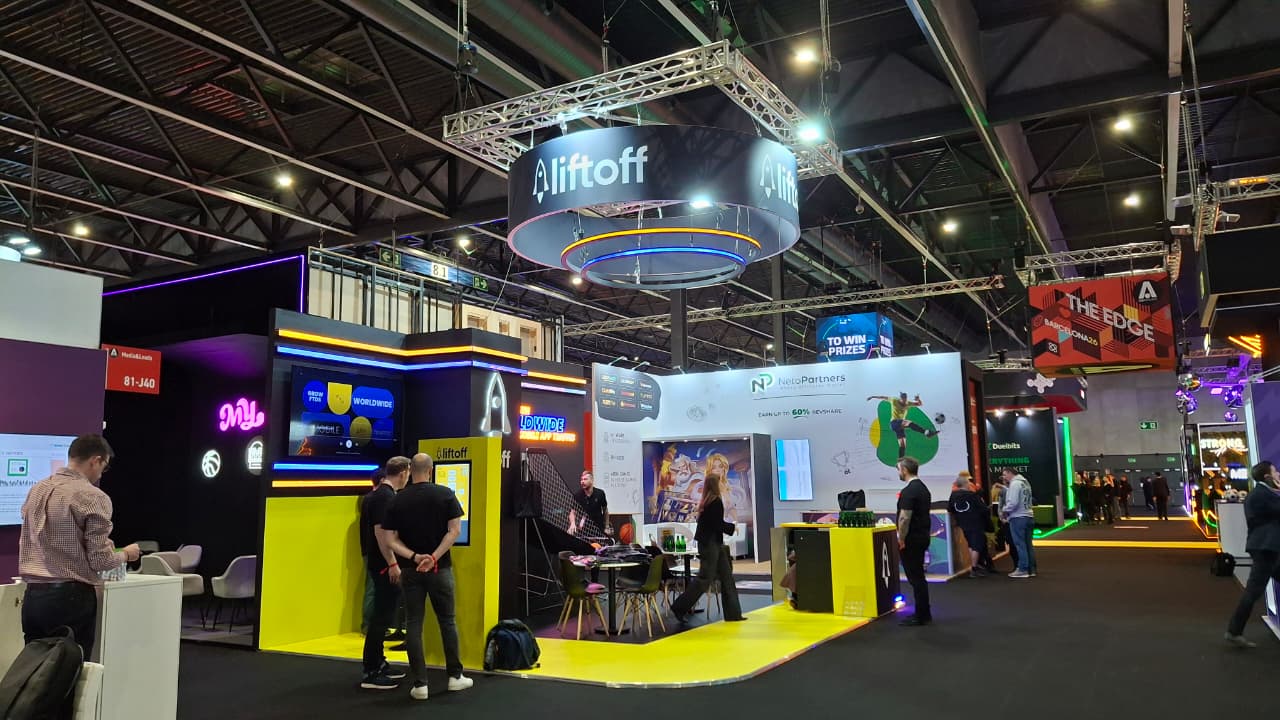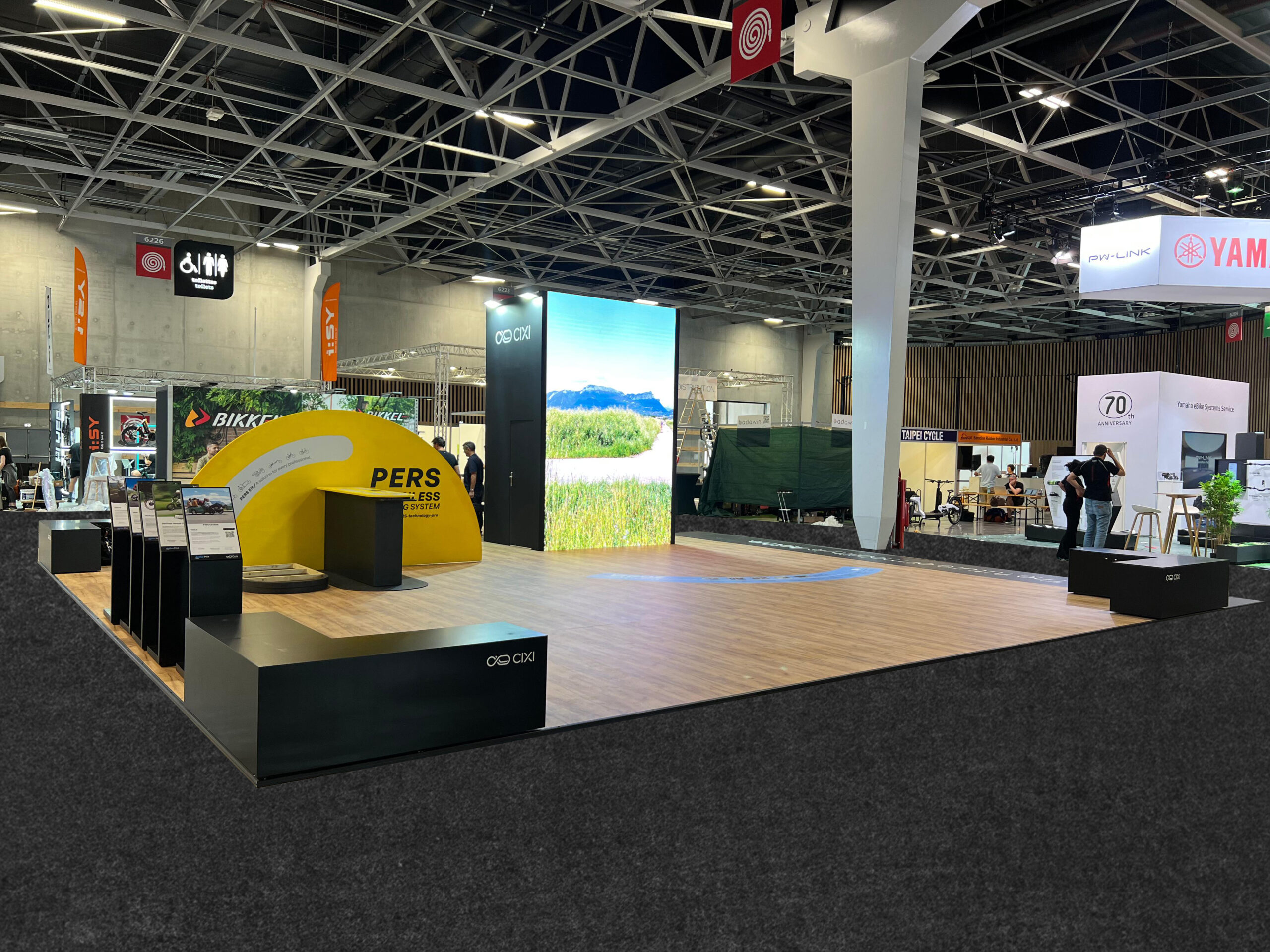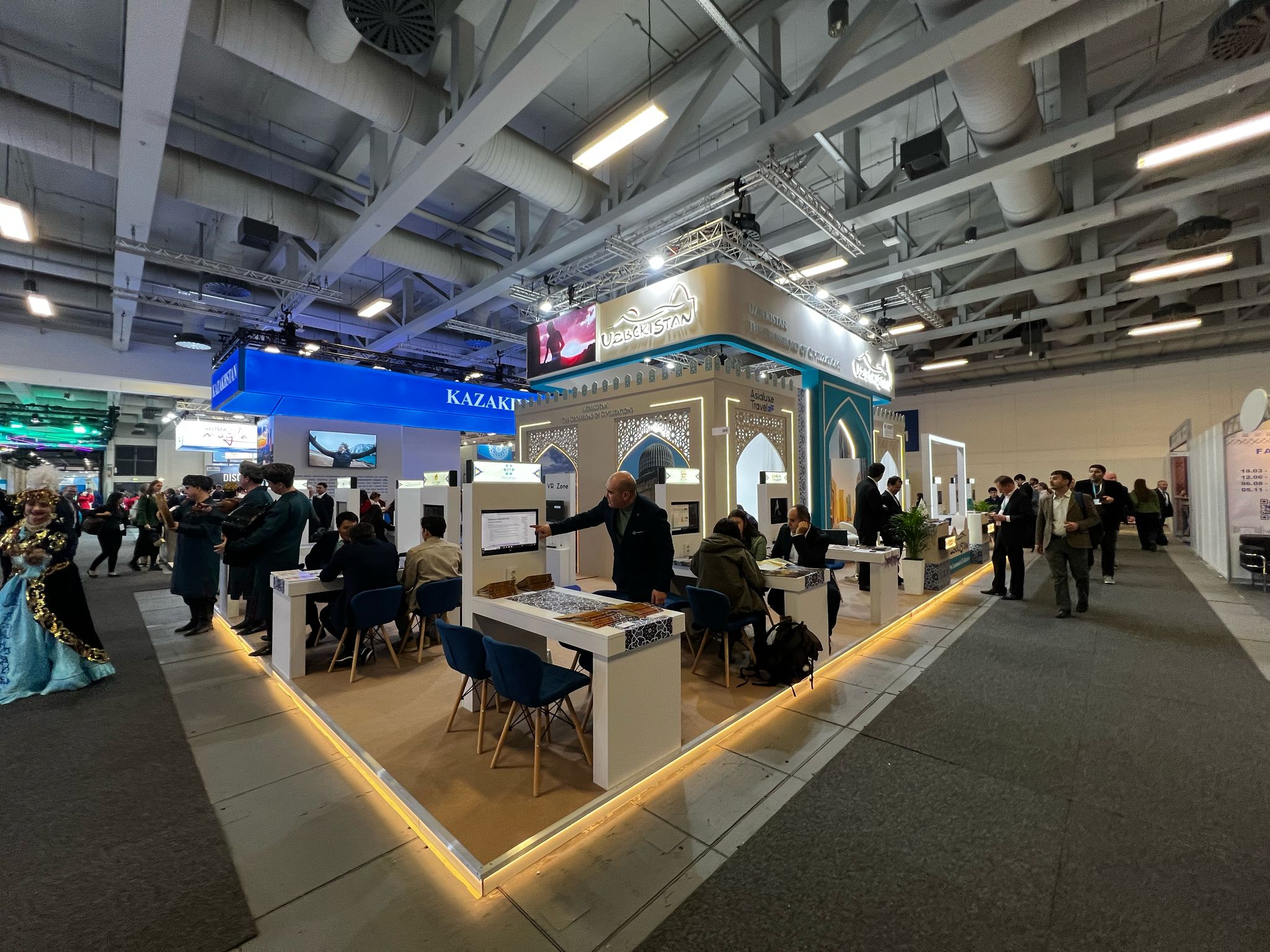
Understanding the types of exhibition stands available is key when developing an exhibition strategy. Your stand will affect people’s movement around the exhibition, the image that you project and your value for money. Exhibitors should analyse a number of factors when choosing which exhibition stand types to utilise, including floor area, maximum load bearing capacity, delivery and financial aspects. In order to make an appropriate choice among the different types of trade show booths, an understanding is needed of both the construction and plan shape classifications. This guide provides exhibition booth types explained in detail, covering structural exhibition stand formats, stand types by open sides, and practical criteria to help you make an informed decision.
Classification by Construction Method
Trade show exhibits fall into distinct structural categories depending on how they are fabricated, transported, and assembled on the show floor.
Custom Exhibition Stand
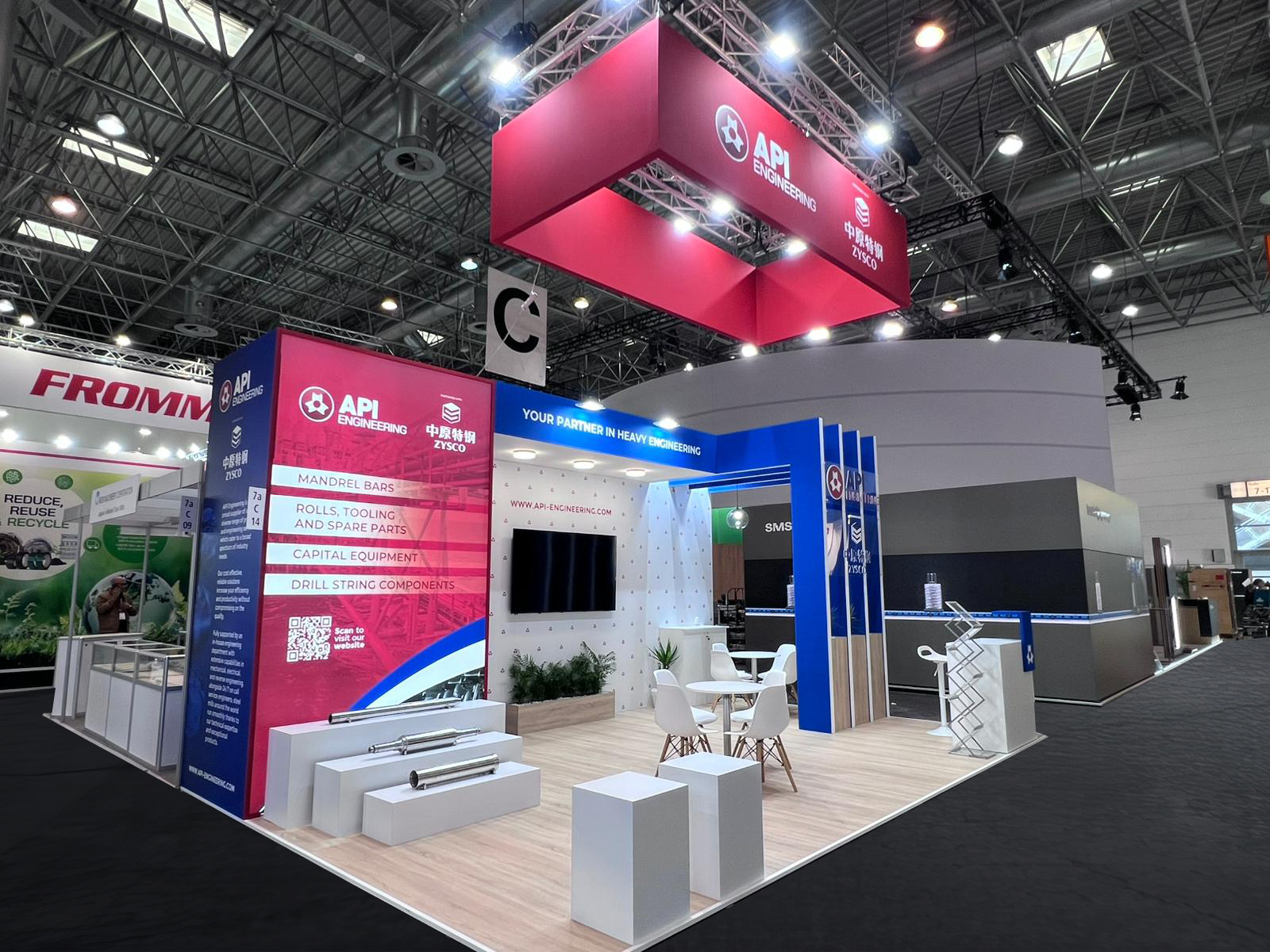
A custom exhibition stand is engineered and built from scratch to match a specific brand identity, product showcase, and spatial requirement. Materials including wood and metals (steel and aluminium) together with glass, acrylic and specialist lighting are used to manufacture distinctive structures. The stands incorporate features such as AV technology, aerials and boardrooms together with live product display areas. Due to each structure being specifically designed to fit an individual floor space, a bespoke stand can be especially eye-catching within busy exhibition environments. Unfortunately, bespoke manufacturing involves additional time for design, prefabrication and on-site fitting. Consequently, production, plus transportation and drayage costs, is increased.
Modular Exhibition Stand
A modular exhibition stand is constructed from a range of aluminium structural items, fittings and graphics. Graphics can either be fabric with silicone seals and/or inflexible panel graphics. Being modular means that displays can be adapted and used at more than one event. Within a modular display, the existing framework can be transformed easily from a linear, closed display format into a more expansive and open display format. Compared to bespoke displays, modular displays offer quicker assembly times, reduced transport bulk and less wastage. For these reasons they are both economical and eco-friendly.
Double Decker Exhibition Stand
A double decker exhibition stand (also known as a multi-storey or two-tier booth) adds a second elevated level above the primary ground-floor footprint. A two-storey building can effectively double a stand’s internal area without the exhibitor having to rent extra space. Usually the first floor space is utilised as a reception, show and busy sales area, and the second floor can then be used for VIP, meeting and private dining facilities, secluded from the main exhibition hall. Buildings of this type must comply with architectural, weight-bearing, fire and head-height requirements.
Country Pavilion Stand
A country pavilion stand is a large-scale collective exhibit organised by national trade ministries, export promotion councils, or industry associations to represent businesses from a specific nation or region. These pavilions are also often branded in a common manner such as through the use of country colours and emblems and canopies. Within a country’s pavilion, participating companies benefit from shared services and facilities. In addition, these exhibitors can take advantage of the increased visitor numbers attracted to the pavilion due to the country’s industry profile.
Portable and Pop Up Stand
A portable and pop up stand is designed for rapid, tool-free assembly by one or two staff members without specialized booth contractors. Typical units include tension fabric units, fold-up units, extendable banners and moveable units which can be adapted into a branded information desk. These are manufactured from lightweight anodised aluminium and crease-resistant polyester and can be transported in normal suitcases or small transport cases. They are particularly suitable for units used in local road shows, job fairs and sub-units where quick setup and economical transport are required.
Classification by Venue Allocation
Event organizers allocate floor space under two fundamental contractual models that determine what infrastructure is included in your rental fee.
Shell Scheme Stand
A shell scheme stand is a turnkey package provided directly by the exhibition organizer. This is usually a standard shell including an aluminium framework (Octanorm or Maxima), white melamine walls, simple flooring, a headboard showing the company’s name and stand number and basic lighting. As there is no need to design or source complex structural elements, the exhibitor can concentrate on their visual merchandising, marketing material and personnel. This is particularly beneficial for novice exhibitors and/or those on a tight budget.
Space Only Stand
A space only stand (often referred to as raw space) provides the exhibitor with an empty, marked-out plot of concrete hall floor. The base rental rate does not include walls, flooring, power or ceiling. The exhibitor must then commission an external builder to design, fabricate, install, and dismantle the stand and to also source from the venue’s approved suppliers power leads, hoistings, and internet facilities. Exhibitors enjoy total design flexibility with space only, and this is essential for bespoke islands and two-storey stands.
Stand Types by Open Sides
Analyzing stand types by open sides is essential because the number of aisles bordering your booth dictates traffic flow, sightlines, and wall placement.
Island Stand
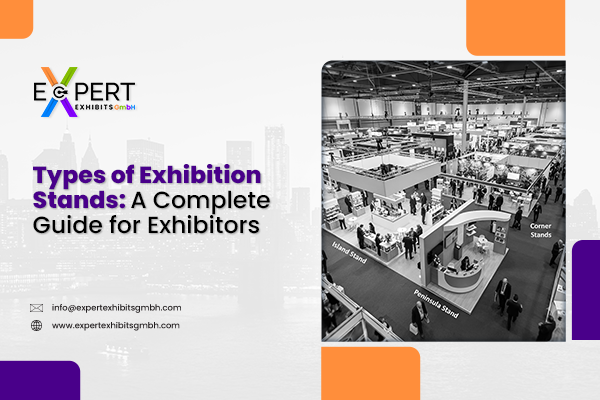
An island stand is completely detached from neighbouring booths and is exposed to visitor traffic on all four sides. As there are no internal dividers, islands provide 360-degree visibility and unobstructed access from all aisles. People are attracted from several sides using a combination of column features, overhead signage and circular ground plans. Typically, island display units must be of a certain size (often 36 m²/400 ft² or more) and, as a result, are amongst the costliest units to rent given their high level of exposure.
Peninsula Stand
A peninsula stand has three open sides and a common wall with a neighbouring booth or building element. It has a similar display impact and people flow to an island booth and also offers a good solid wall for housing cupboards, AV equipment and/or vertical displays. Much attention must be given to the exhibition site’s line of sight regulations. Usually, limitations are placed on the height of the common wall so that it does not obstruct the view of the adjoining exhibitor.
Corner Stand
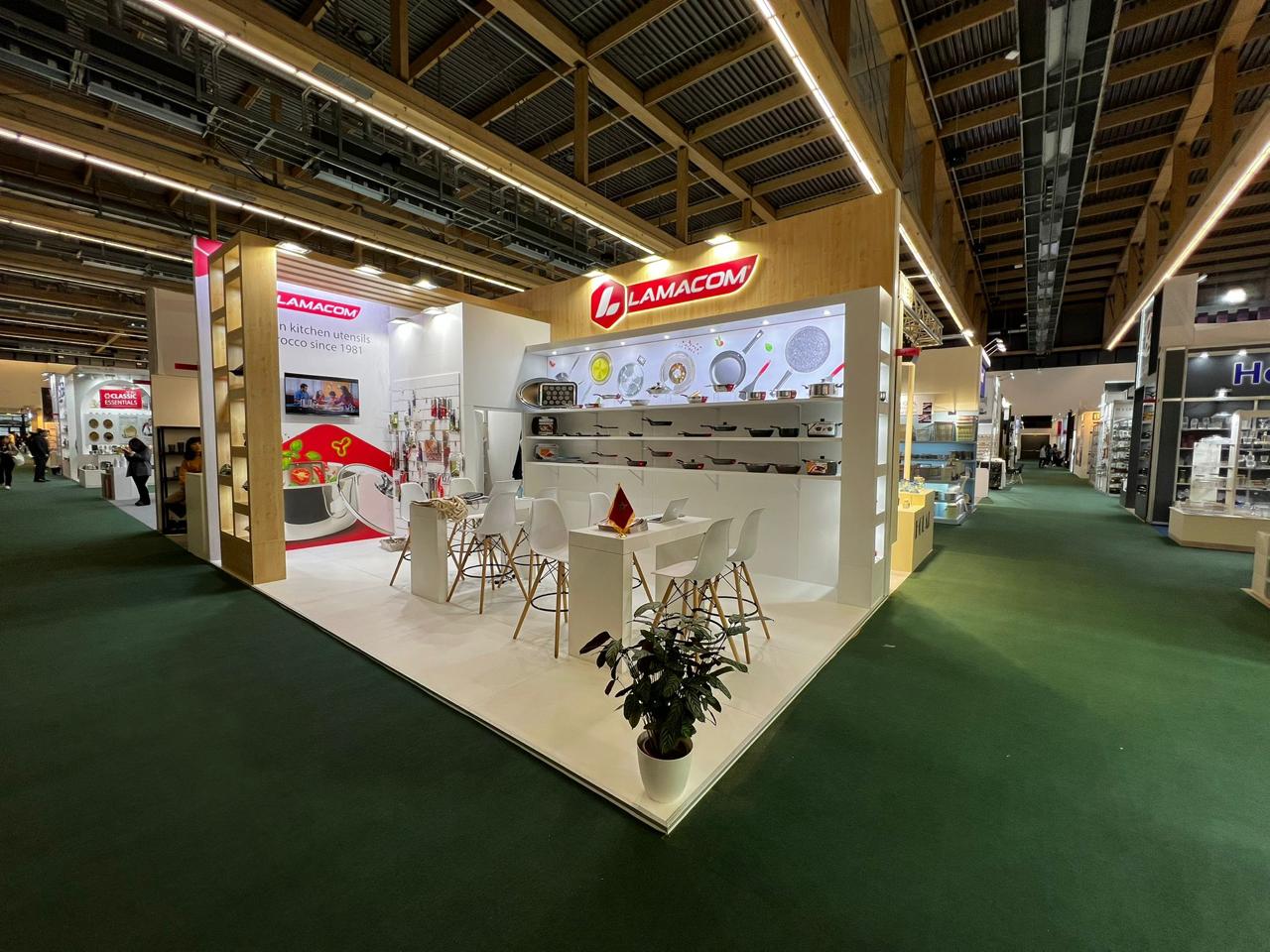
A corner stand (sometimes known as a dual or L-shaped display) is positioned where two right-angled aisles meet. Two of its sides are therefore visible, and the other two are flanked by other displays. Compared with a conventional linear display of the same size, this type of display is much more highly visible, as it can be viewed from both sides. By taking away one of the display walls, the corner is effectively transformed into an inviting entrance, and so people are encouraged to enter the display area.
Inline Stand
An inline stand (or row/linear stand) is aligned in a straight line with other stands. It only has a front-facing opening so that it can be viewed down an aisle. The rear and side of the stand are then shared with adjacent stands to form a triangular structure. In-line stands are the most frequently used and one of the most cost-effective trade show stand types. They commonly measure 9 m² (10×10 ft). To encourage visitor interaction with the single-aisle-facing stand, contrasting rear graphics, front display tables and targeted lighting are often incorporated to avoid a sense of enclosure.
Choosing the Right Format and Budget Considerations
When asking which type of exhibition stand should I choose, the decision rests on balancing marketing objectives against logistical realities. In analysing the various exhibition stand types and costs comparison, it is possible to identify three core cost areas – floor space rental, along with ancillary services (for example, haulage, installation and power). Portable and shell stands are the most affordable and provide consistent costs together with reduced haulage requirements.
Although there is a medium initial investment in modular stands, this can be spread across several exhibitions, reducing the cost per show within a 3-year period. Custom and bi-level stands incur the greatest costs (often 3-4x greater than the stand hire fee) but provide the greatest brand prestige, along with dedicated areas for networking and excellent quality lead generation, making them ideal for high-profile industry events.
Conclusion
It is important that you adapt your stand design, layout and build to suit your business aims. Whether you are using a highly optimised linear shell or creating a multi-level island stand, your stand should be designed to complement people’s experience and in turn provide you with a successful show result.
Are you currently planning to exhibit at a European trade show and are looking for a trustworthy custom exhibition stand builder in Germany to help you to do so? As one of Germany’s foremost bespoke exhibition stand manufacturers, Expert Exhibits GmbH is highly experienced at producing tailor-made buildings and adaptable modular stands for exhibition use throughout Europe. We can manage all aspects of an exhibition stand from 3D design and engineering through to on-site assembly and distribution, ensuring a consistently high quality, complete service at some of Europe’s key exhibition locations.
Frequently Asked Questions
What are the different types of exhibition stands?
Exhibition stands are categorised in three ways: by construction method (custom, modular, double-decker, country pavilion, and portable pop-up stands), by venue package (shell scheme versus space-only plots), and by floor layout based on open aisles (inline, corner, peninsula, and island stands).
What is the difference between shell scheme and space only?
A shell scheme stand is a pre-built, turnkey package provided by the event organiser that includes standard walls, carpet, basic lighting, and a name fascia. A space-only stand provides nothing more than bare marked floor space, requiring the exhibitor to hire a contractor to design, build, and wire a custom or modular structure from the ground up.
Which exhibition stand type is best for small businesses?
Small businesses typically achieve the best return on investment with portable pop-up stands, shell scheme packages, or compact inline modular stands. These formats keep shipping, labour, and storage costs low while allowing modular upgrades as the company scales its exhibition presence.
What is an island booth?
An island booth is a freestanding exhibition space bordered by aisles on all four sides. It has no adjacent neighbours or shared partition walls, providing 360-degree visibility, multiple entry points, and maximum architectural flexibility for large-scale brand activations.