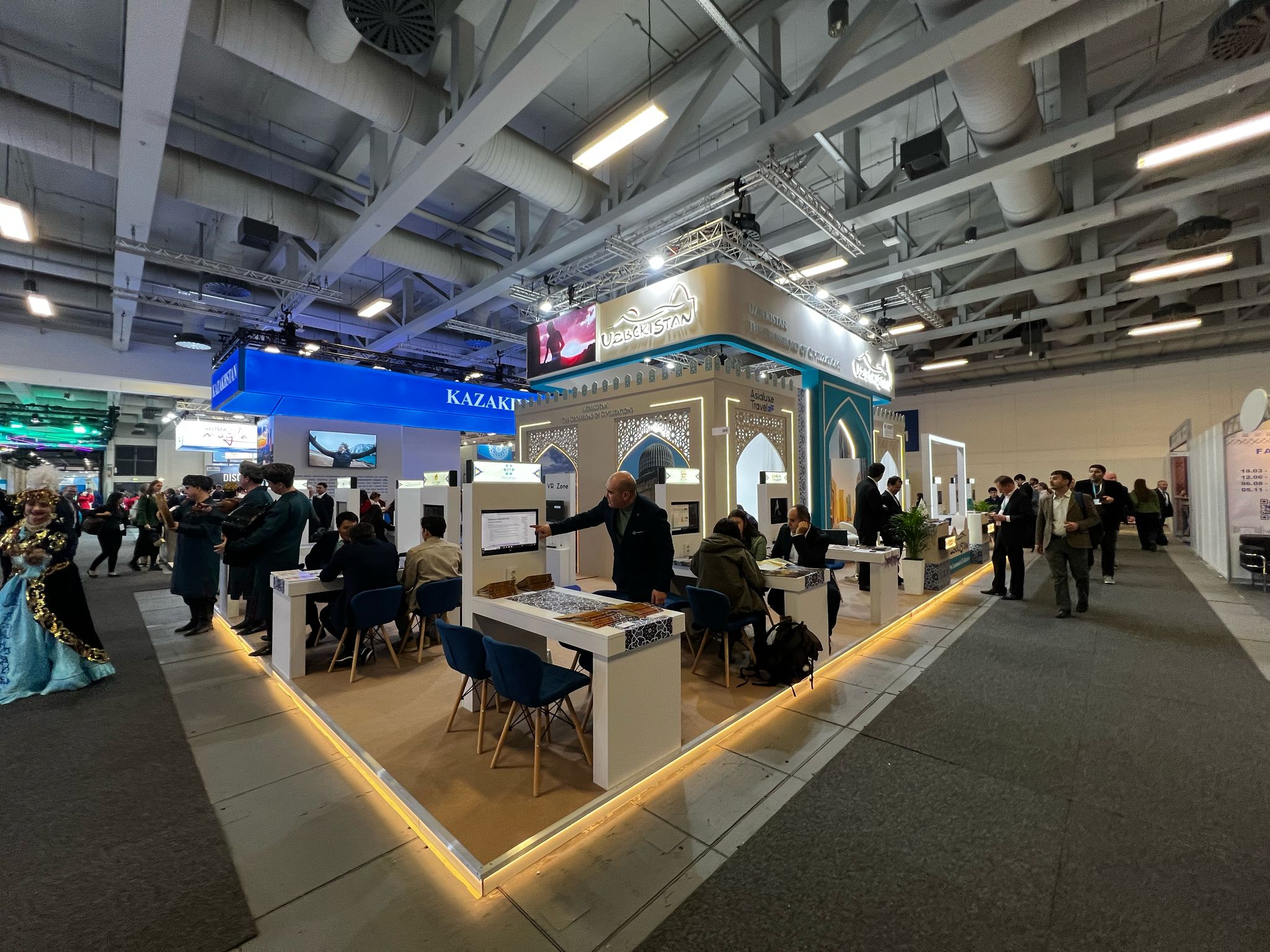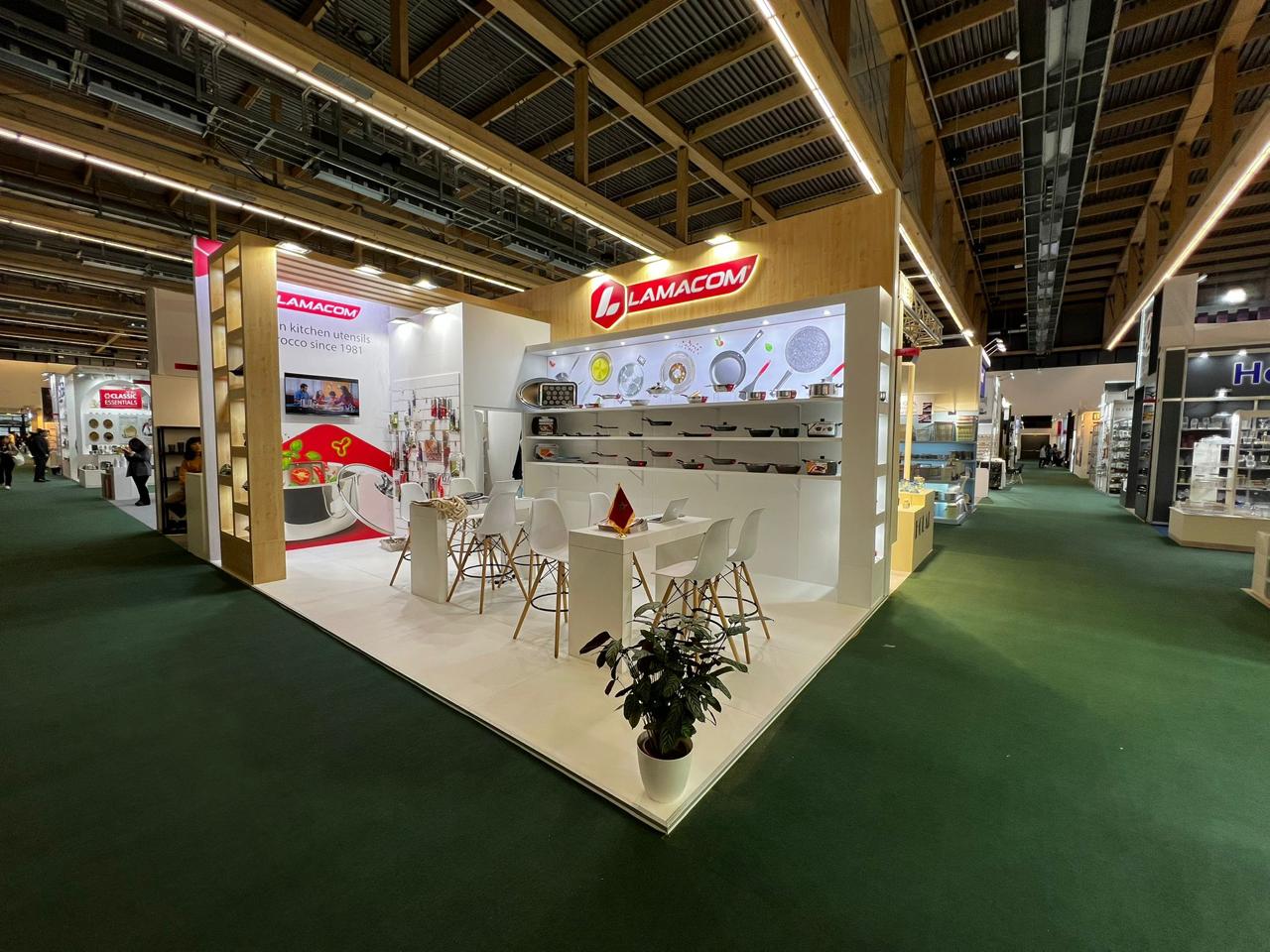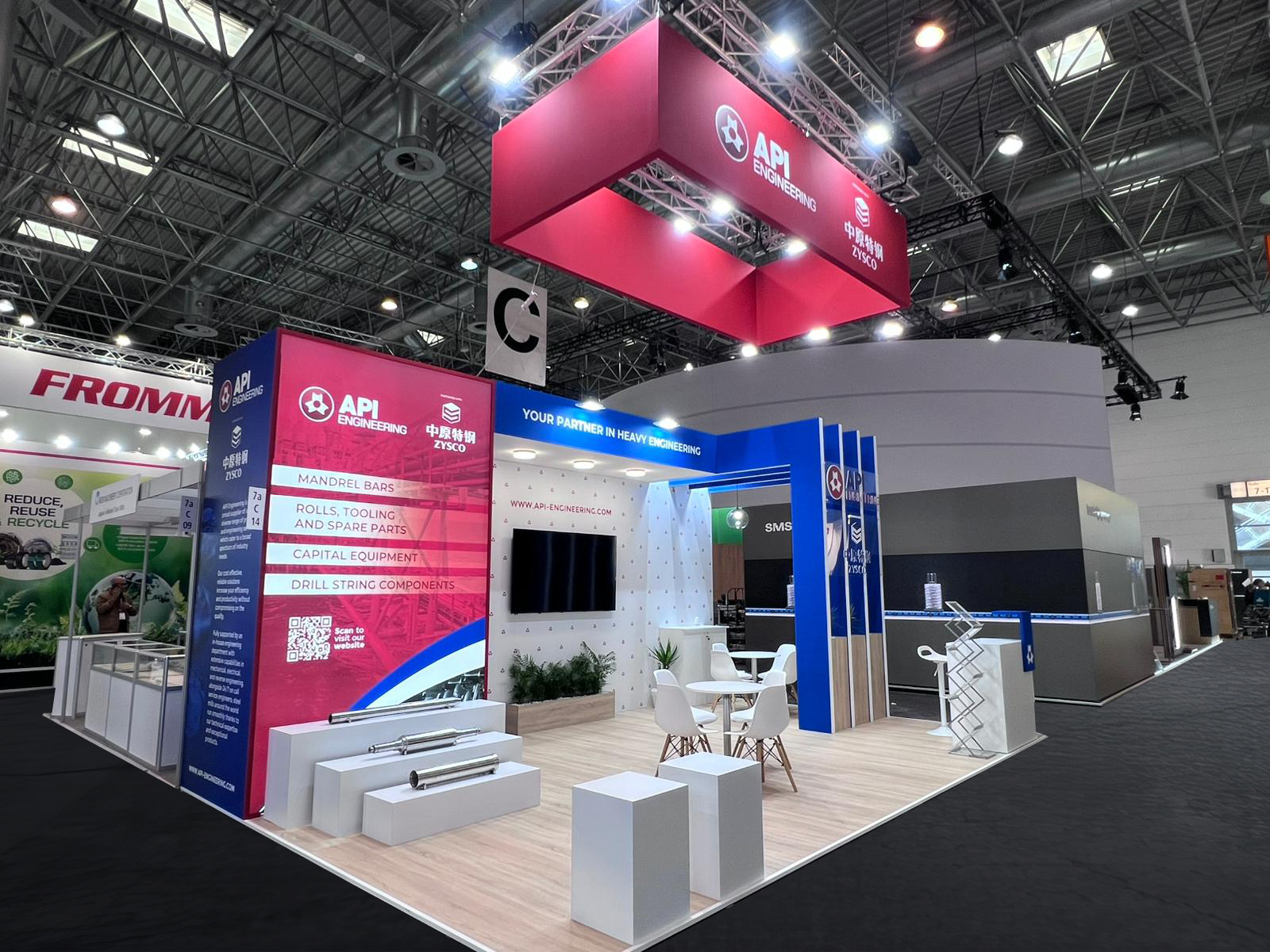
Are you an exhibitor? Do you want to know about the technicalities of stand building? Or are you someone who wants to stay updated before your next trade show by knowing everything? Well, if yes, then you must know that companies invest large amounts of money in exhibition stand design and build every year to obtain valuable leads. And if you’re curious about how it’s done, then this complete and strategic exhibition stand design and build process guide will tell you how. Let’s see how to do that using a step-by-step exhibition stand guide.
Phase 1: Briefing and Strategic Planning of Your Booth Layout for Peak Success
The process of a great exhibition stand design and build begins with a description of the company’s business goals. Before designing, answer the most straightforward questions. Do you want to generate new sales opportunities during the fair? Or do you want to promote a new product launch? These examples will undoubtedly shape your trade show space planning tips. Create an exhibition stand checklist to make sure that nothing is missed during the preparation process. The checklist and business goals are the pillars of the reliable trade show guide.
Optimization of the floor plan at the beginning of the exhibition stand building project is critical. The designer needs to focus on sightlines and traffic patterns in the main axes of the exhibition hall. Particular attention should be paid to the layout of the exhibit tables, which must ensure the most comfortable flow of visitors. It is vital that the interior of the stand does not obstruct the entrance to the booth, as this results in overcrowding on the perimeter.
Moreover, the project must familiarize itself with the requirements and restrictions imposed by the venue and the local management. Exhibition centers usually have a list of technical specifications and limitations: heights, connections, and many other details that will be critical during the construction of the stand.
Phase 2: Creating Creative 3D Concepts and CAD Blueprints
Next, you need to take those abstract ideas about your brand and shape them into something tangible. Leading companies provide turnkey exhibition stand design and build services that help you to do this painlessly. Designers create a computer-generated 3D exhibition booth rendering. Using such a simulation, you can experiment with colors and lighting options and see how signage will look in real life before spending a fortune on a trade show display. This way, you can explore a variety of creative exhibition stand designs for your brand.
At the same time, good-looking images are not enough. Designers also need to create CAD drawings for exhibition stands. Thanks to them, it becomes possible to see how walls will look in the exhibition stand, what weights will be on which walls, and whether there will be enough structural integrity. It is essential to study CAD drawings for exhibition stands so that you know that your brand activation booth plan will be safely implemented.
Phase 3: Choosing Materials and Stand Fabrication Types (Modular vs. Custom Build)
Now, pick the structural building blocks for your event space. Your choice shapes your budget and your overall look. Learn the key points of shell scheme vs. custom build setups:
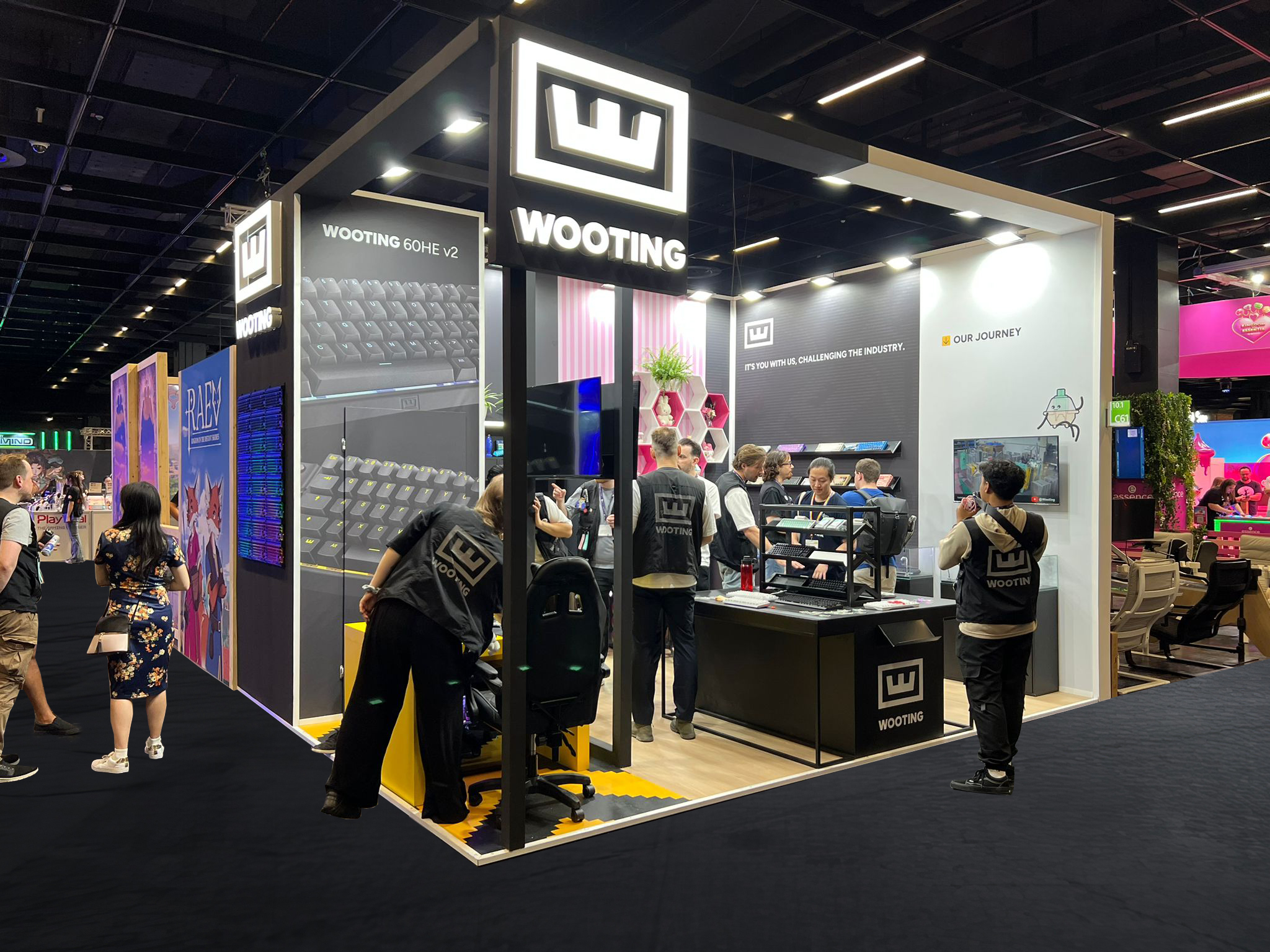
- Custom exhibition stand design uses raw timber and strong steel to craft unique curves. Award-winning exhibition stand designers build these setups from scratch for high impact. Custom builds give complete freedom, but they need bigger budgets. Master builders use custom carpentry for event stands to shape custom desks and arches. They also select sustainable exhibition stand materials to protect our planet. These eco-friendly trade show displays reduce waste after the event ends.
- Modular exhibition stand contractors build flexible frames out of light aluminum. Trade show booth manufacturing teams assemble these reusable frames quickly. They add tension fabric trade show displays for smooth wall panels. High-quality graphic print production makes your brand visuals pop with bright color. You can pick clean material finishes that match your brand style. Reusable frames save money across multiple annual trade shows.
Phase 4: In-House Fabrication and Production
Now when the 3D designs and CAD drawings are complete, the manufacturing process for your trade show booth can start in the workshop. High-quality trade show booth fabrication requires both state-of-the-art machinery and master-level craftsmanship. Advanced CNC routers carve raw timber and plastics into the desired shape, while master carpenters handle all custom carpentry, constructing everything from reception desks to custom display arches.
Meanwhile, the print department can work on graphic print production. Many display stands now use tension fabric trade show displays, wherein graphics are printed on a special material that is then pulled over aluminum channels to create a seamless graphic wall that is both transport-friendly and wrinkle-free. One smart move to consider during the graphic print production is requesting a pre-build verification. With this option, the preferred contractor will set up the core display structure in their warehouse weeks ahead of the event start date, thus allowing you to inspect it for potential problems.
Phase 5: Adding Technology to Engage Show Visitors
Modern stands need more than static posters to catch passing eyes. You must learn how to design a trade show booth that stops people in their tracks. Use interactive tools to raise your ROI maximization on the floor. Smart technology helps you follow a complete exhibition management workflow with style. Meet all trade show booth design requirements while adding fun tools.
Here are top digital upgrades for modern trade show spaces:
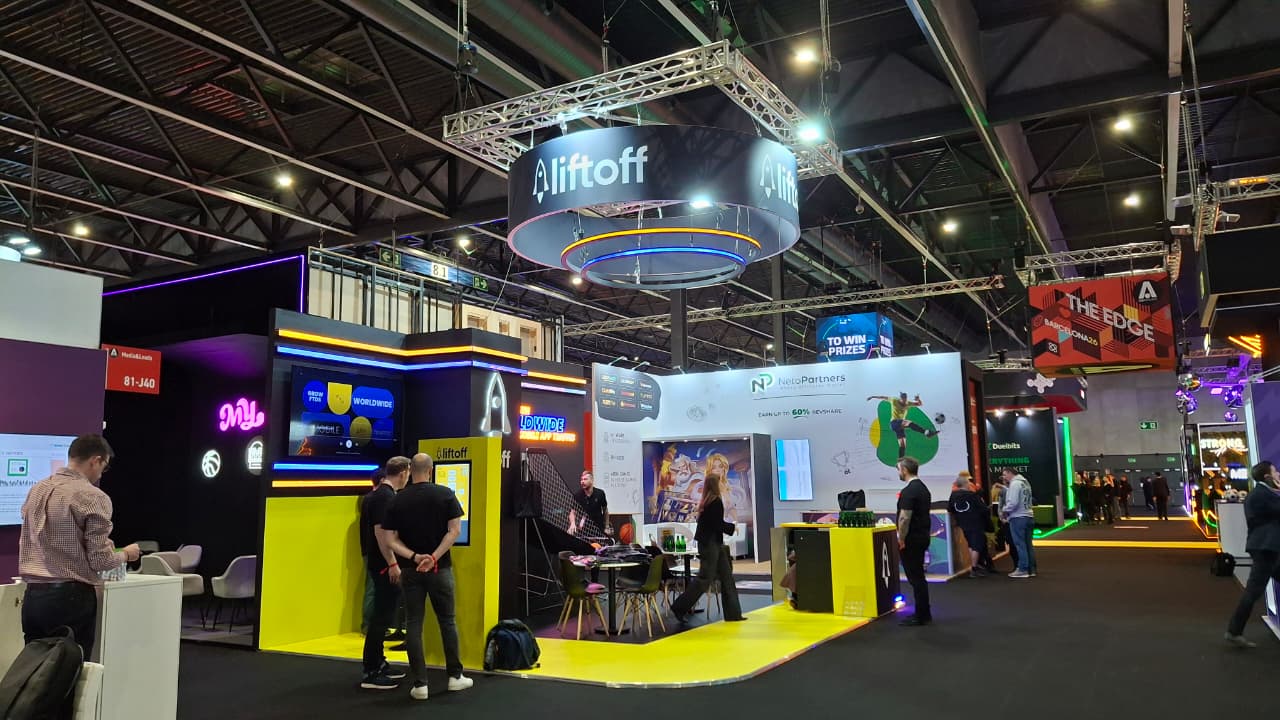
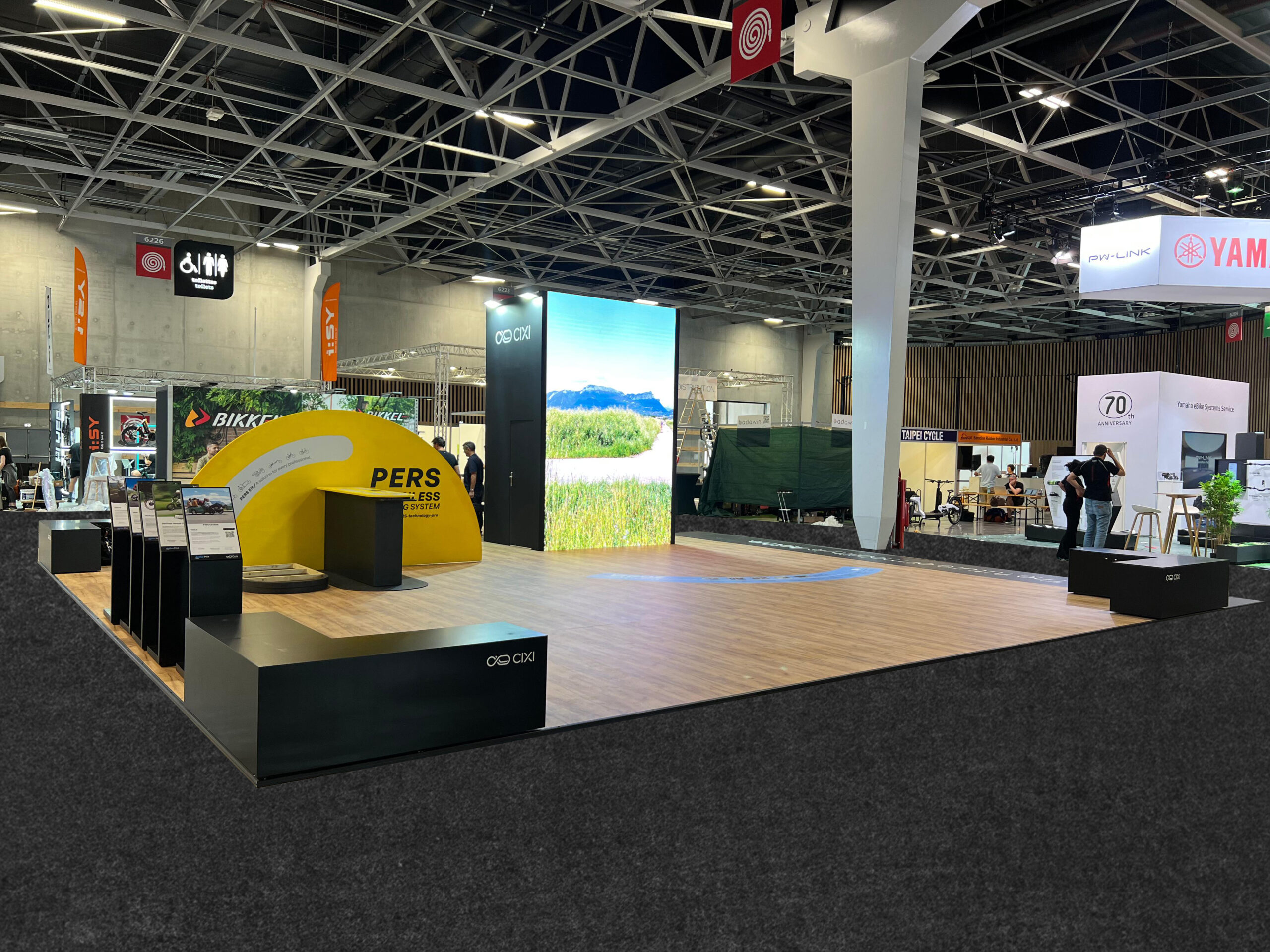
- AV integration for exhibition stands brings static walls to life with vivid motion graphics. Large LED video walls for events attract attention from across the full hall.
- Experiential event technology invites visitors to touch and explore your products. Add interactive trade show booth ideas like touch screens or fun virtual reality tests. Fun digital tools build strong connections between guests and your team.
Phase 6: Handling Logistics, Installation & Dismantling (I&D), and Final Handover
The final stage takes place in the exhibition floor, where international exhibition stand builders deal with intricate shipping schedules. They organize the logistics of the event and transportation of all components to guarantee that everything arrives at the venue on time. Here, the on-site team takes care of the trade show booth installation and dismantling (I&D) under a demanding schedule. They follow all the necessary rigging safety regulations for exhibition stand hanging of overhead signs.
Smooth project management makes sure that all stages are completed to meet the venue handover requirements. The building team completes all details before handing over the venue. After the event is over, the teams can dismantle the booth and store all components in secure exhibition stand storage solutions. This guarantees that your assets are safe until the next show.
Choose Expert Exhibits GmbH for Your Next Event
Looking for a professional exhibition stand builder to help you achieve a great trade show? Partner with the Expert Exhibits GmbH that offers turnkey exhibition services and brings a wide range of experience in the field. We provide high-quality end-to-end solutions including 3D designs and on-site assembly so you can be confident your exhibit is in good hands. Contact us at Expert Exhibits GmbH to learn how we can help you create an award-winning stand that will increase sales!